
Tour or activity
Vatican Museums, Sistine Chapel & St Peter’s Basilica Guided Tour
4.5 / 5 · 41,913 reviews · 3 hours
From $78.96View experience →
Europe · Italy
Spring and fall are ideal, with warm days and fewer crowds than summer. July and August are hot and busy, and winter is mild and quiet, though it can be rainy.
Nonstop flights from several US hubs into Fiumicino; connections from elsewhere.
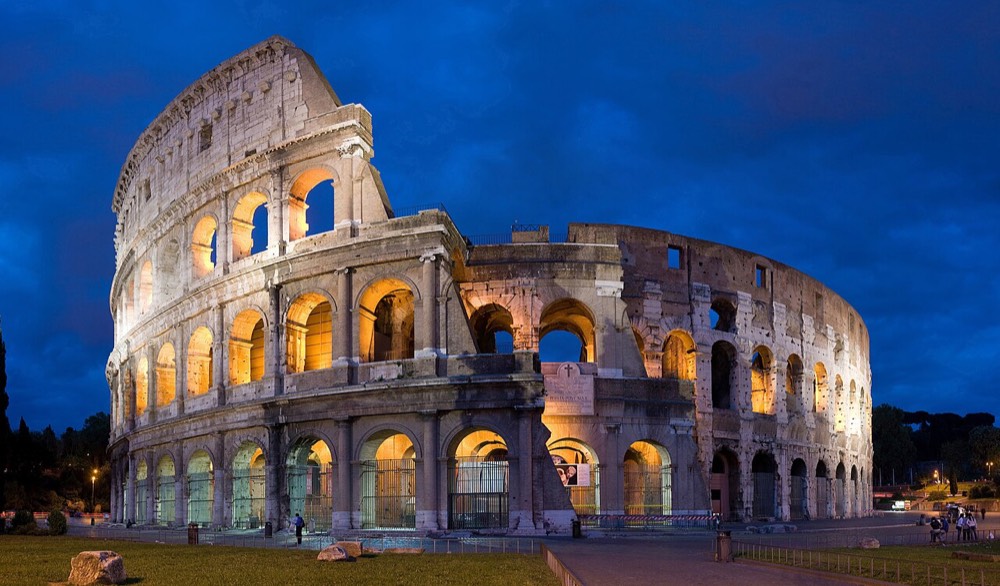
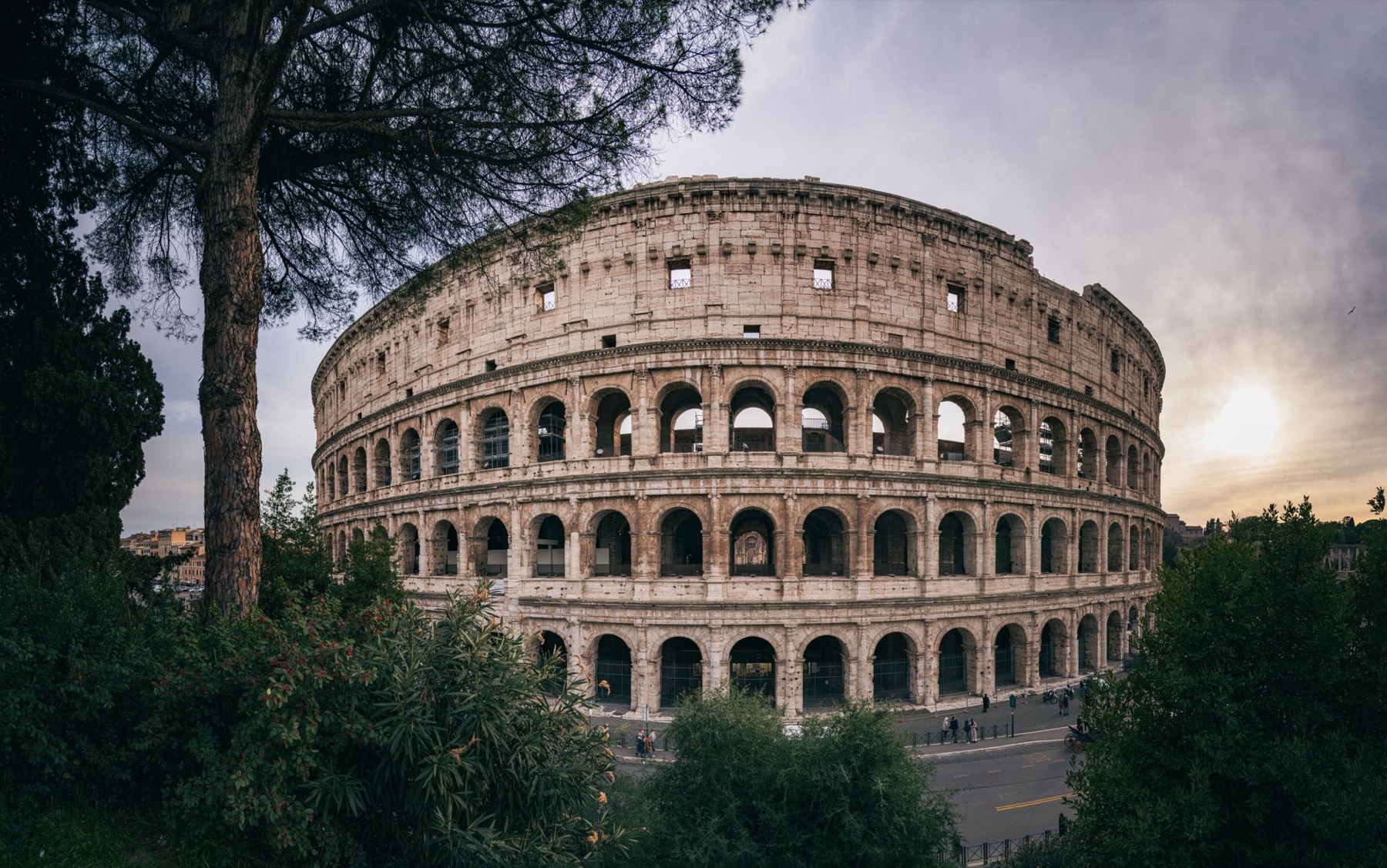
Rome layers ancient sites, Renaissance and Baroque churches, Vatican treasures, and lived-in neighborhoods across a city built for walking. A practical plan groups nearby sights together and leaves room for meals, shaded breaks, and evening piazza walks.
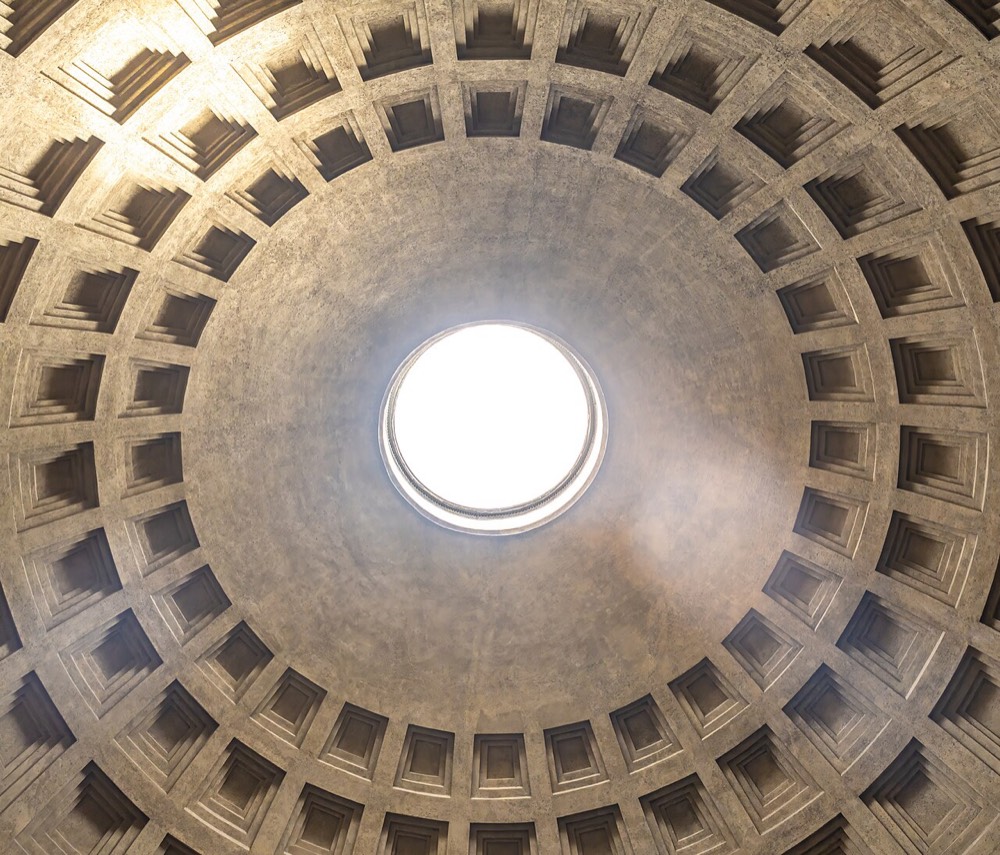
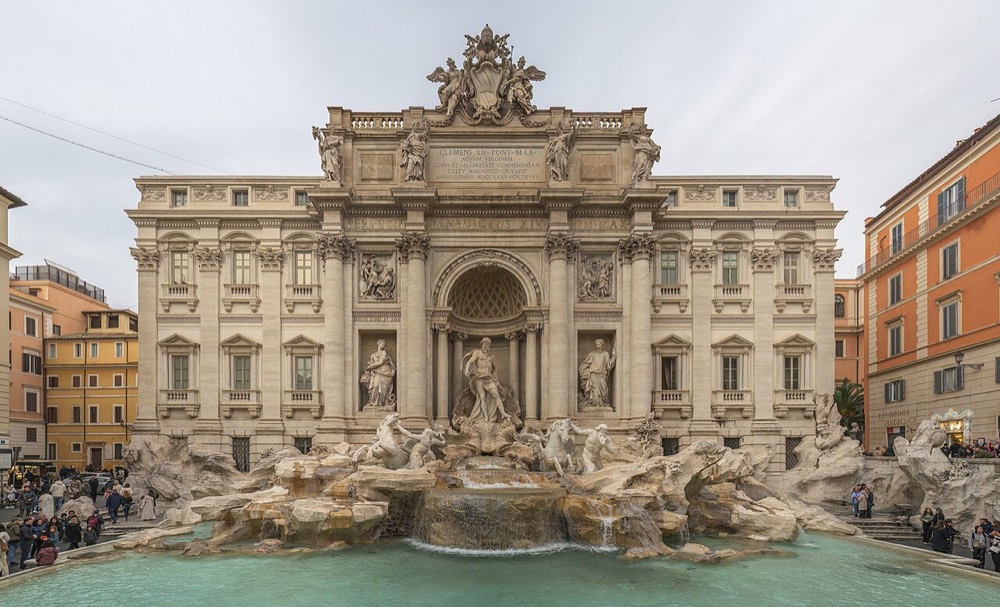
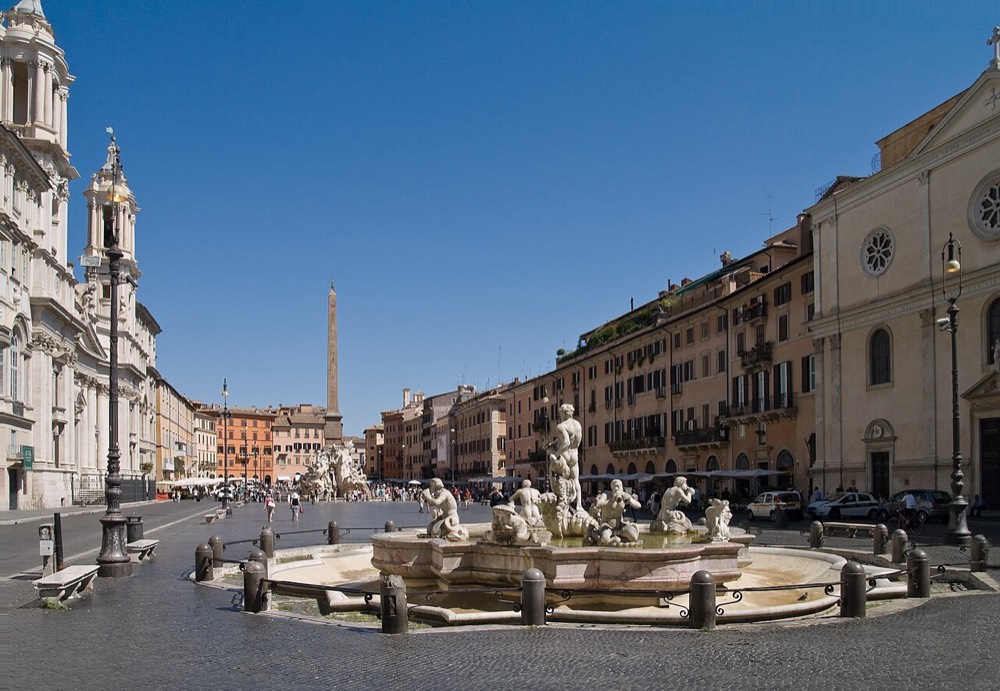
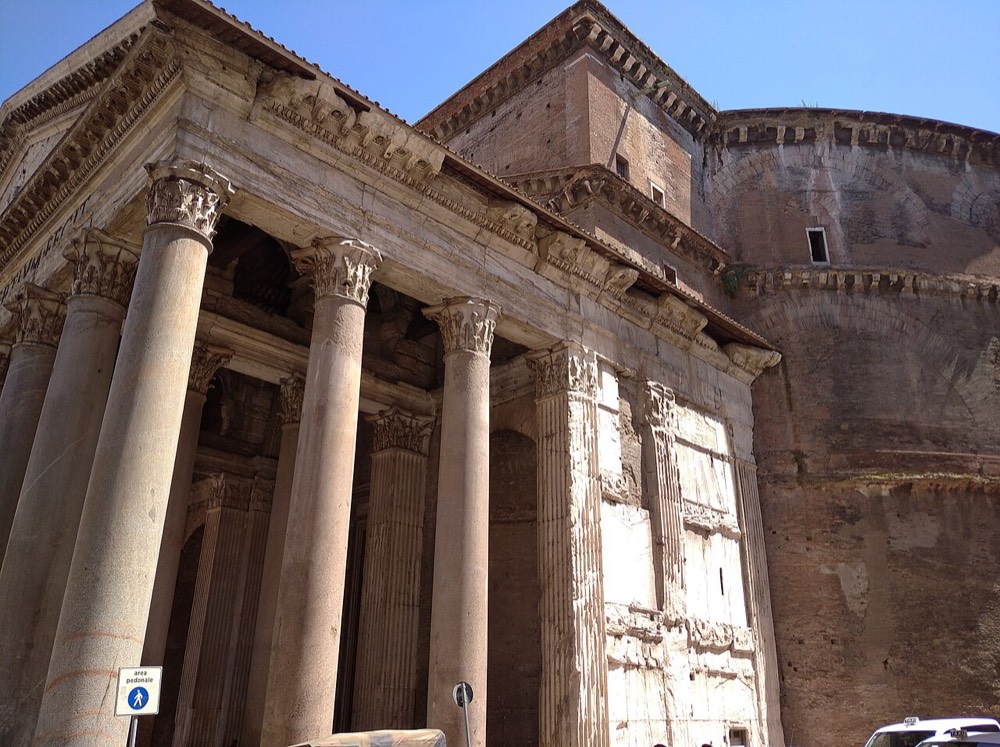 Centro Storicocentral, historic, walkableCentro Storico places you close to the Pantheon, Piazza Navona, Trevi Fountain, and many evening walks. It is ideal for a first visit focused on walking, though narrow streets can be busy and taxi access is sometimes awkward.
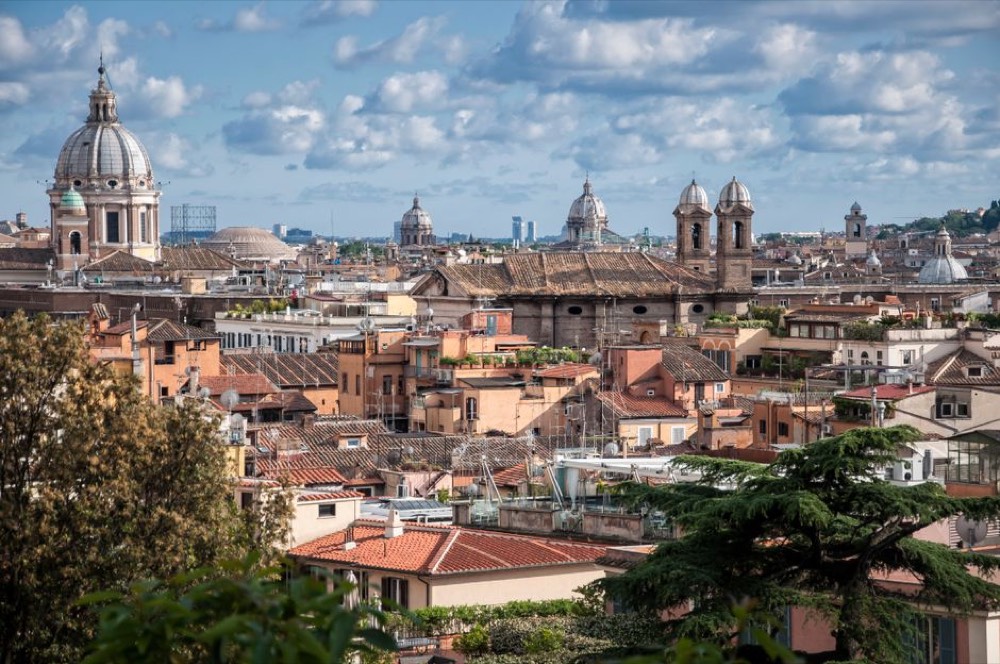 Montivillage-like, creative, centralMonti sits near the Colosseum and Forum but has smaller streets, boutiques, and local neighborhood character. It suits travelers who want historic access without sleeping in the most formal tourist core, and it works well for evening wandering.
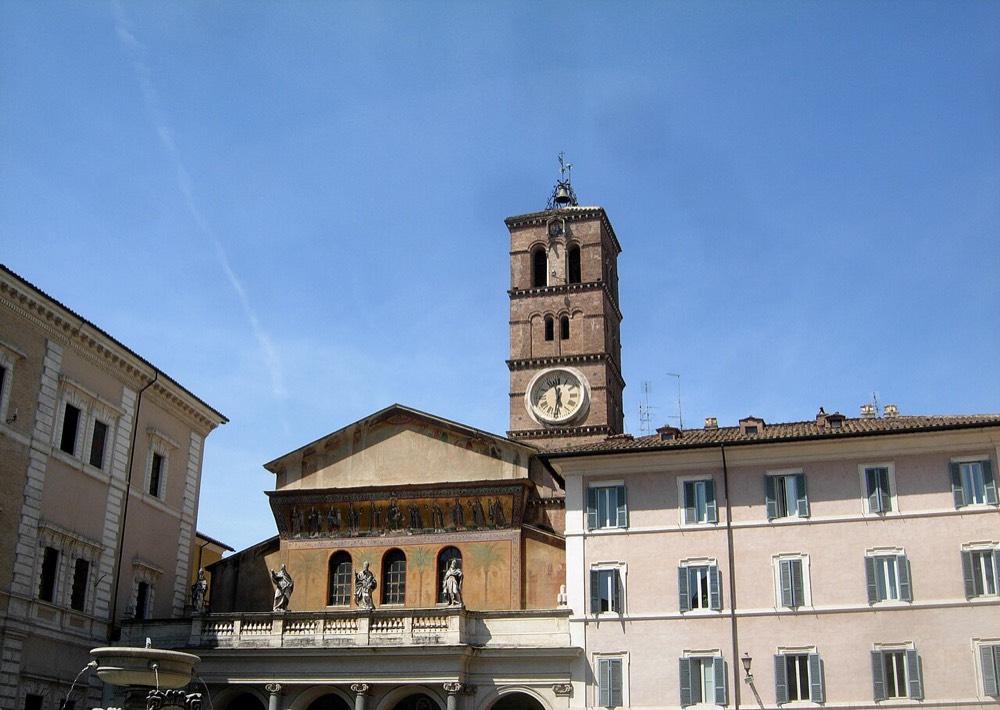
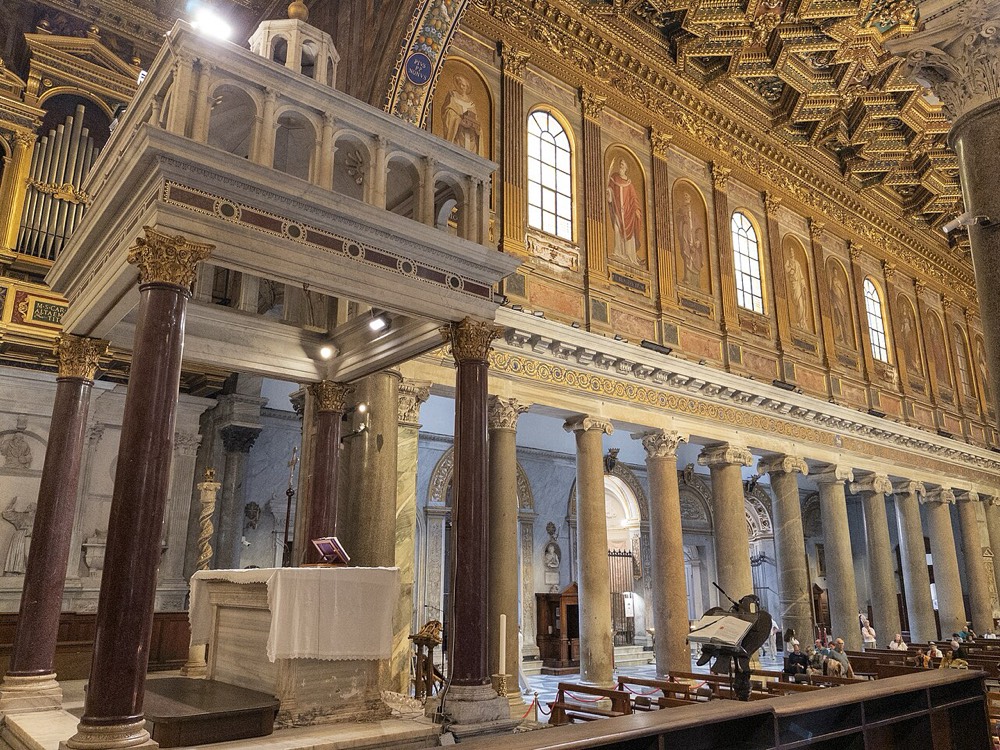 Trasteverecobbled, lively, atmosphericTrastevere offers handsome lanes, active evenings, and easy crossings to the historic center over the Tiber. It fits food-focused travelers and repeat visitors, although the nightlife can make some streets noisier than a quieter central base.
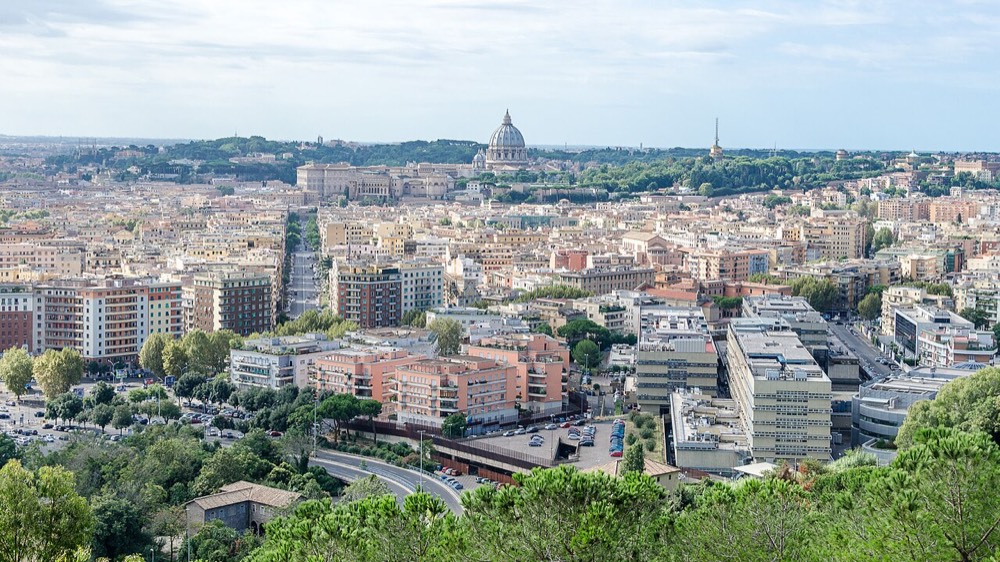 Pratiresidential, refined, Vatican-closePrati is just east of Vatican City, with broad streets, good transit, and a more residential rhythm. It is useful for travelers prioritizing Vatican visits or a calmer setting, though it is farther from some ancient Rome landmarks.
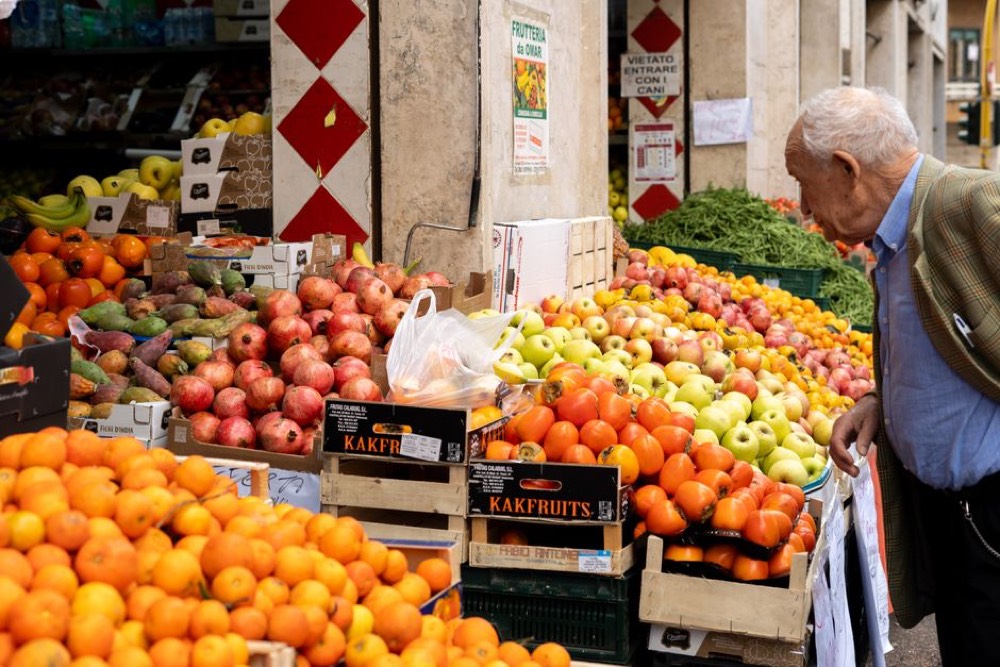 Testacciolocal, food-focused, relaxedTestaccio is south of the historic center and is associated with Roman food traditions, a market, and an everyday neighborhood atmosphere. It is a good option for longer stays and travelers comfortable using transit rather than walking to every major sight.
March to May
June to August
September to November
December to February
Late autumn and winter outside Christmas and New Year usually offer lower demand than the warmest months. Spring holidays, Easter, and summer are generally the costliest periods, while early winter can be quieter.
Check tour datesApril, May, September, and October usually offer comfortable walking weather. Easter and major holidays can be especially busy.
Four or five days handles the main ancient, Vatican, and central sights. A week adds neighborhood time and a day trip.
Rome is generally manageable with normal city precautions. Stay alert to pickpocketing in crowds, transit, and around major attractions.
No. Walking, Metro lines, buses, and taxis are more practical, and central driving is complicated by traffic restrictions.
Italy uses the euro. Cards are common, but a small amount of cash remains useful for minor purchases.
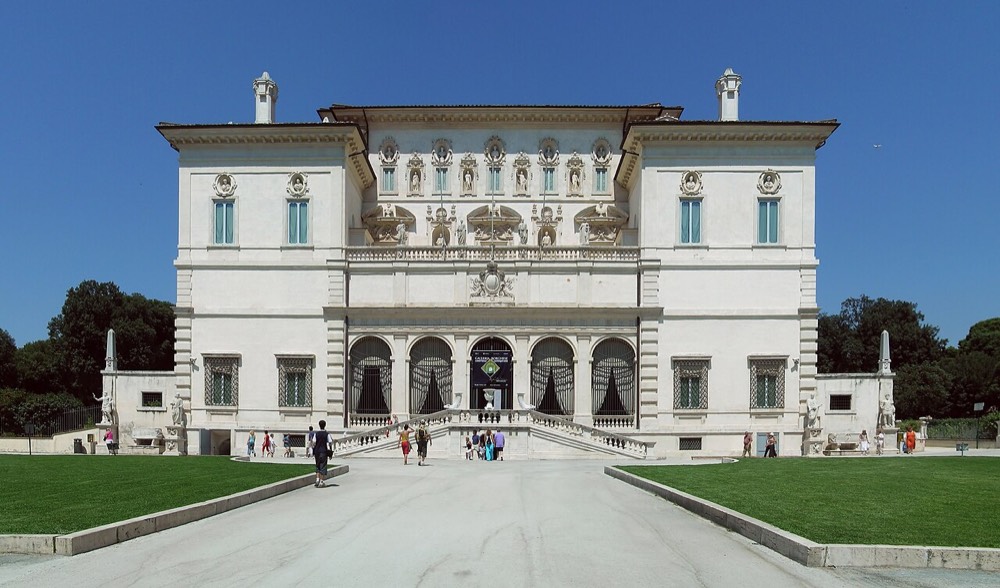
Yes, particularly for curious children who enjoy ruins, fountains, gelato, and open spaces such as Villa Borghese. Plan shorter sightseeing blocks during warm months.
Make a day of it
Tour or activity
4.5 / 5 · 41,913 reviews · 3 hours
From $78.96View experience →

Tour or activity
4.6 / 5 · 15,596 reviews · 3 hours
From $22.89View experience →

Tour or activity
4.6 / 5 · 1,533 reviews · 1 hours
From $56.07View experience →

Tour or activity
4.7 / 5 · 3,801 reviews · 2 hours
From $61.80View experience →

Tour or activity
4.2 / 5 · 10,352 reviews · 2.5 hours
From $101.85View experience →

Tour or activity
4.5 / 5 · 1,277 reviews · 3 hours
From $50.35View experience →
Prices supplied by Viator. Check dates and final prices before booking. We may earn a commission.