


Tour or activity
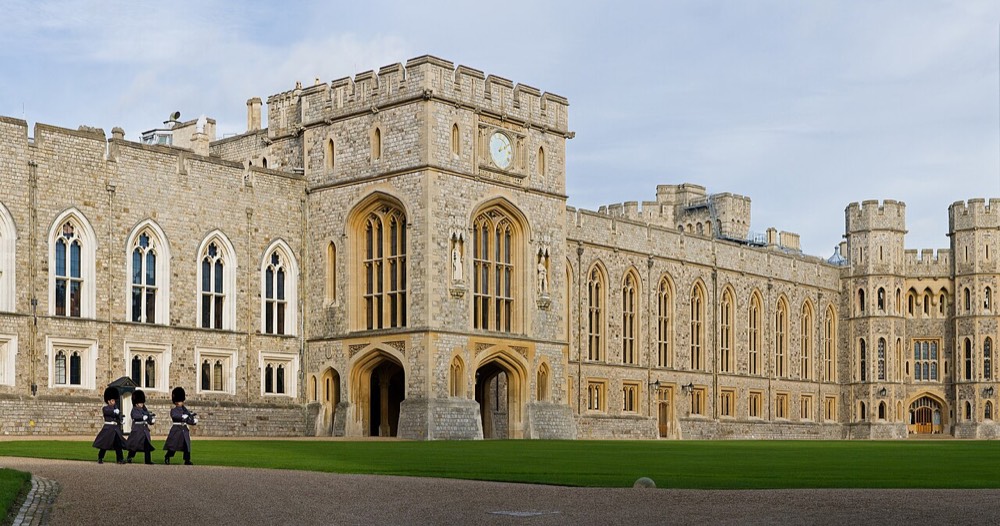
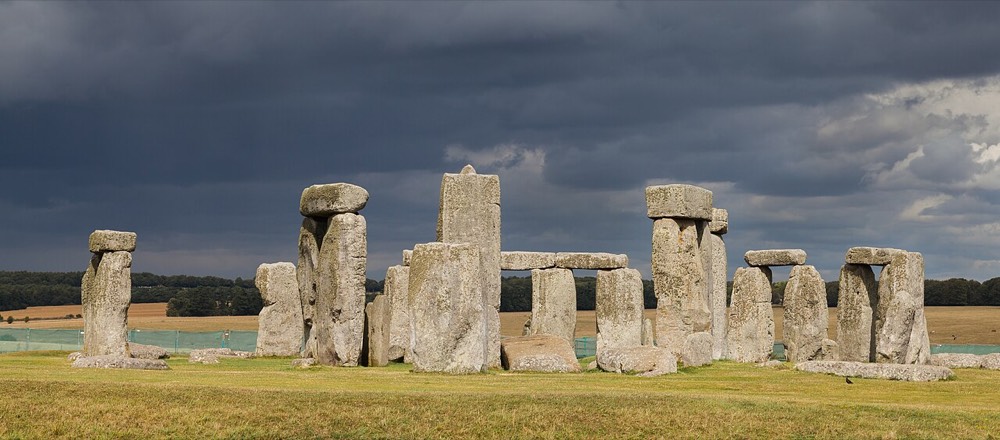
Stonehenge, Windsor Castle, and Bath from London
4.6 / 5 · 21,019 reviews · 11 hours
From $106.30View experience →
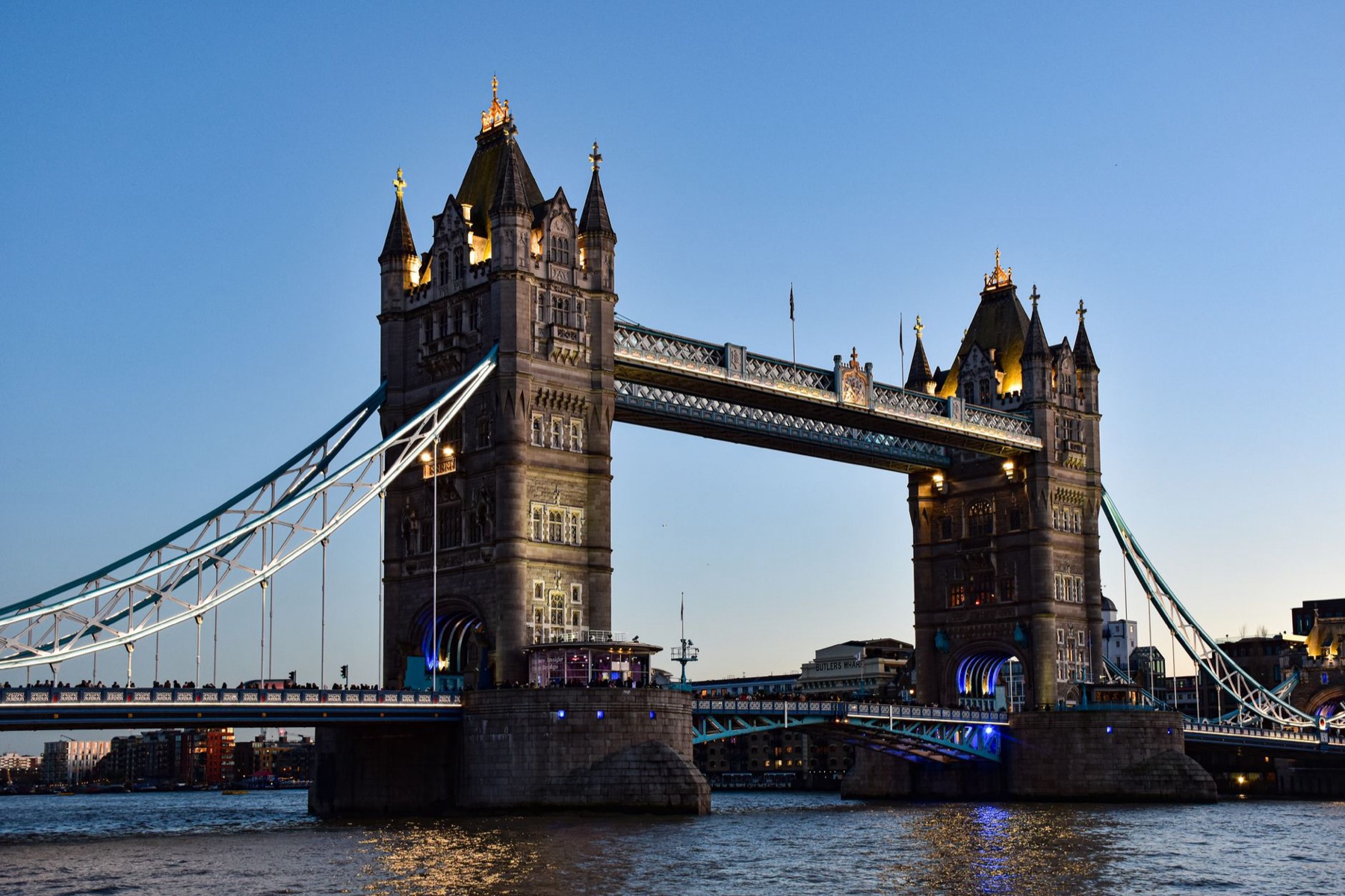
Europe · United Kingdom
London is at its best from late spring through early autumn, when days are long and the parks are green. Winters are cool, damp, and festive, and rain can arrive in any season.
Nonstop flights from many US cities to Heathrow and Gatwick; connections from elsewhere.
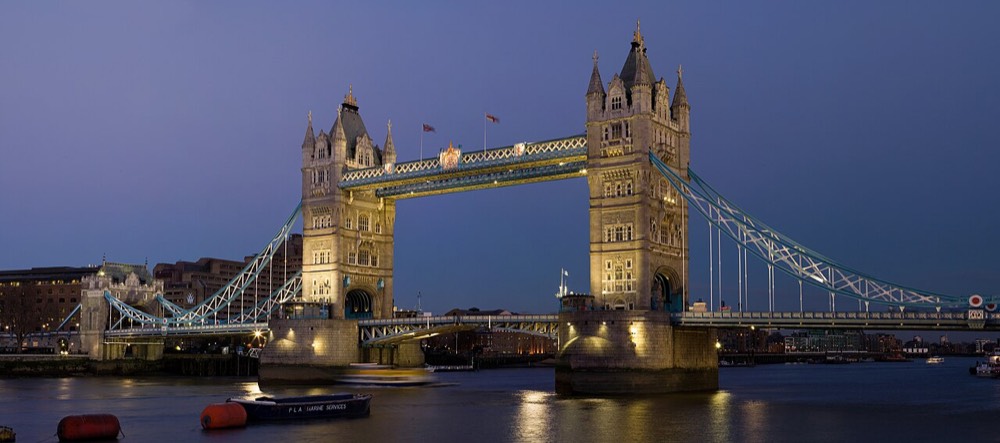
London puts royal landmarks, free national museums, West End theatre, and lively markets within a few miles of each other along the Thames. It is easy to get around by Tube, bus, and on foot, and each neighborhood has its own character.
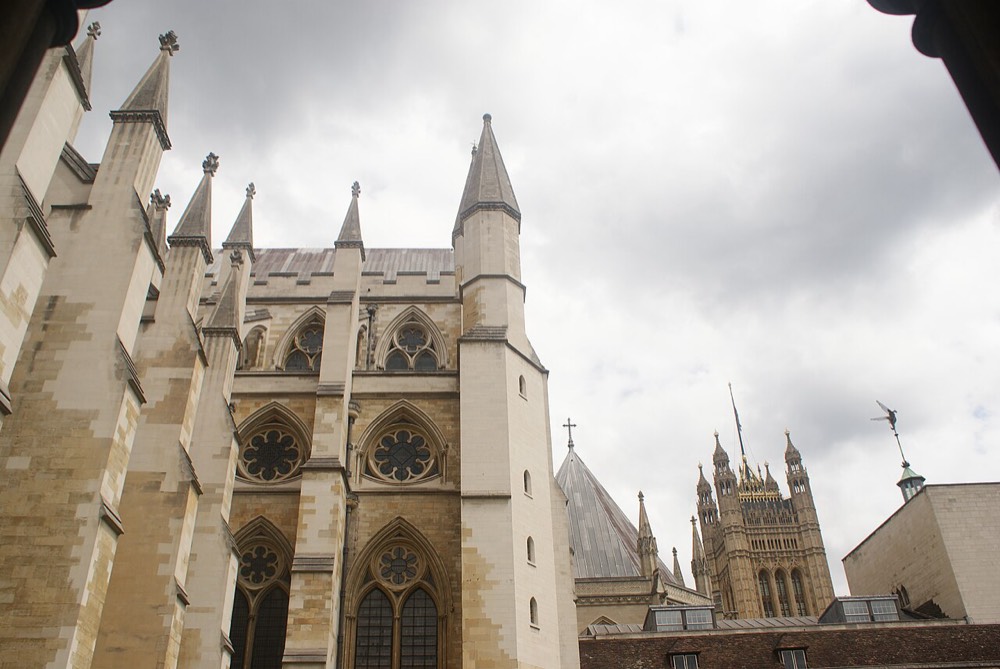
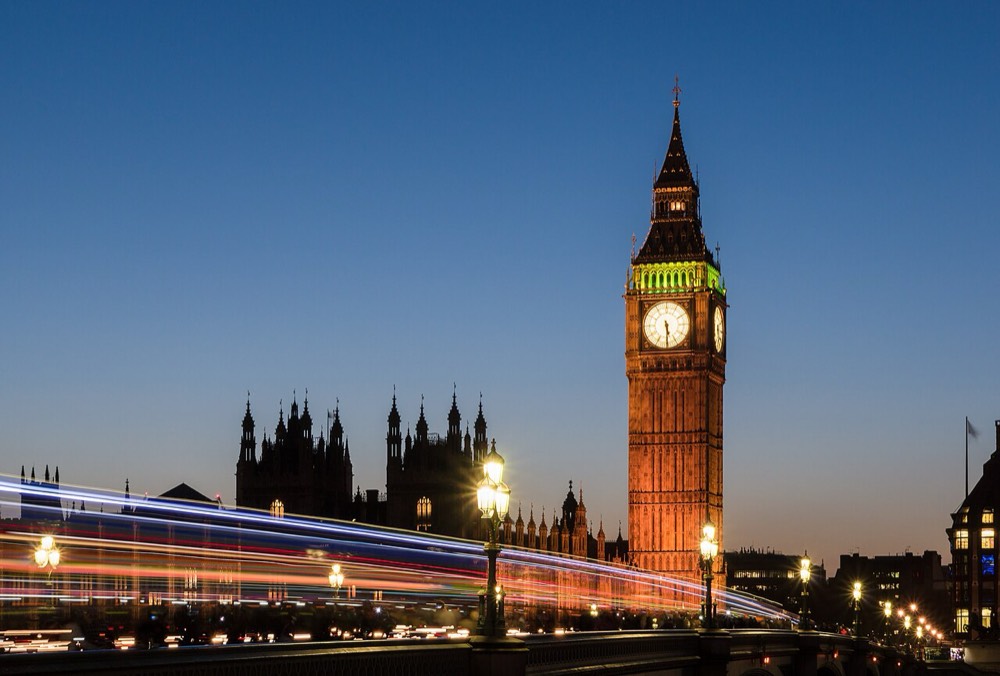 Westminster and St James'sRoyal, central, landmark-heavyThis is the London of Parliament, Buckingham Palace, and grand parks. You can walk to many major sights, and the riverside is close. It is quieter at night than the West End. It suits first-time visitors who want to stay near the landmarks.
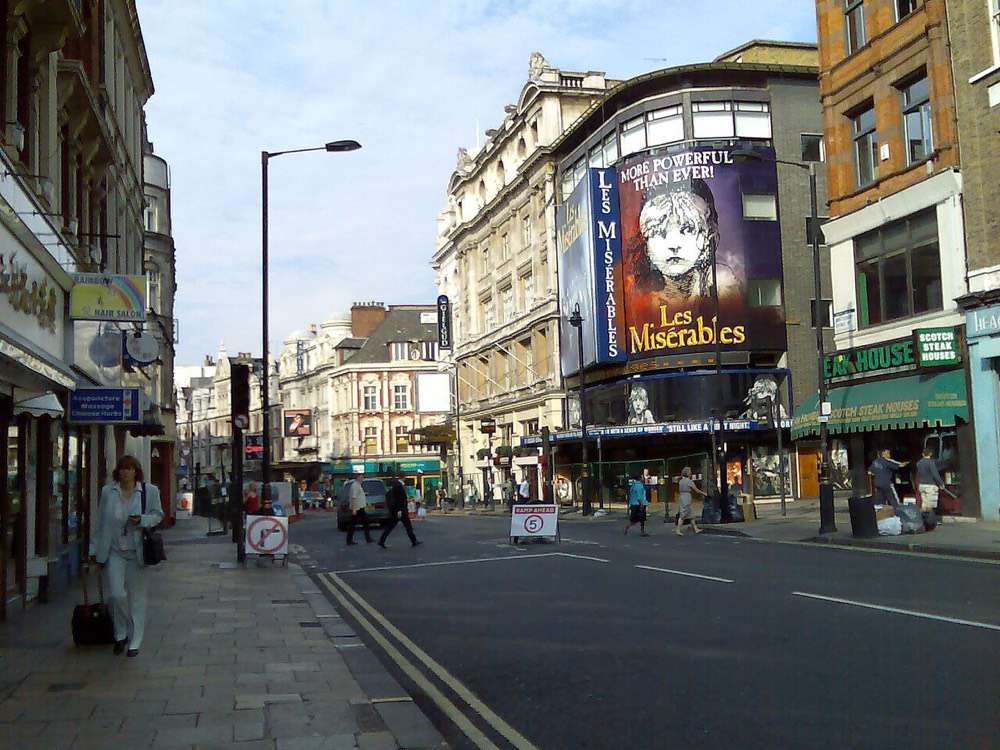
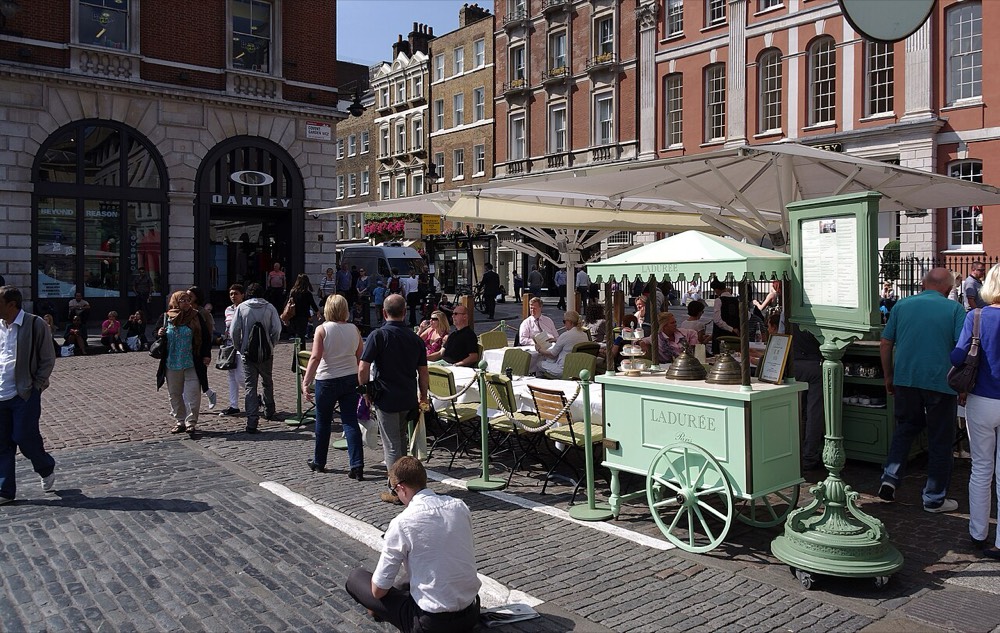 Covent Garden and SohoLively, theatrical, always busyThe heart of the West End, packed with theatres, restaurants, bars, and shops. Covent Garden's piazza has street performers, and Soho's narrow streets have a busy evening scene. It suits theatre lovers and couples who want to walk out the door into the action.
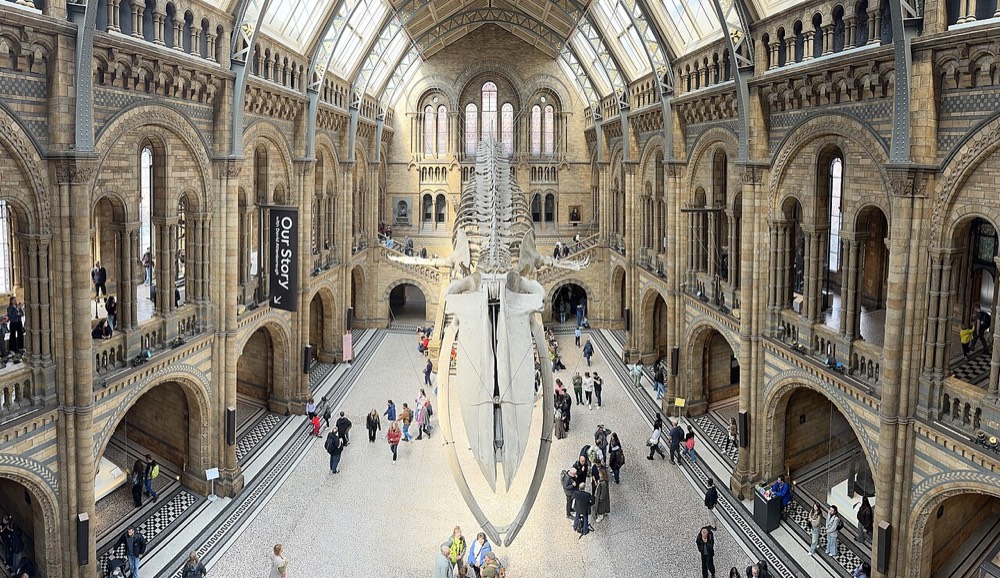
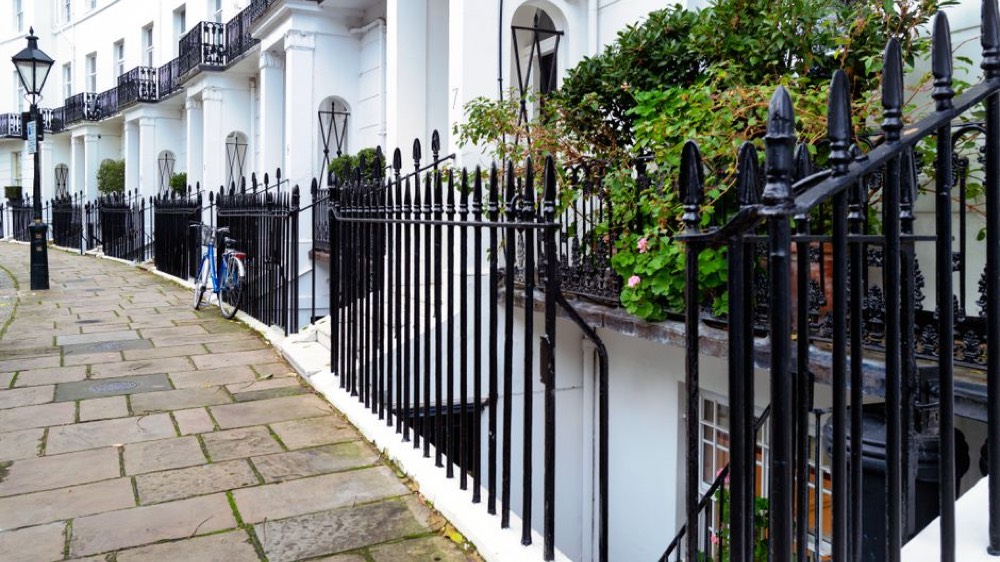 South KensingtonElegant, museum-rich, calmSouth Kensington has white stucco townhouses, garden squares, and three major museums within a short walk. Hyde Park is close. It is calmer than the West End and good for families. It suits museum lovers and travelers who want a polished, quiet base.
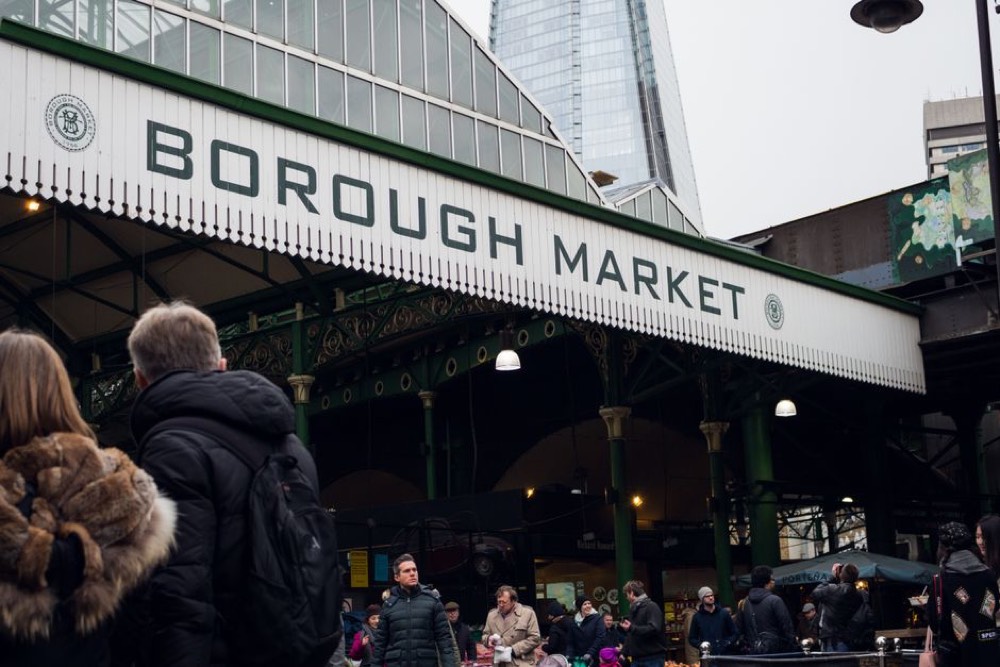
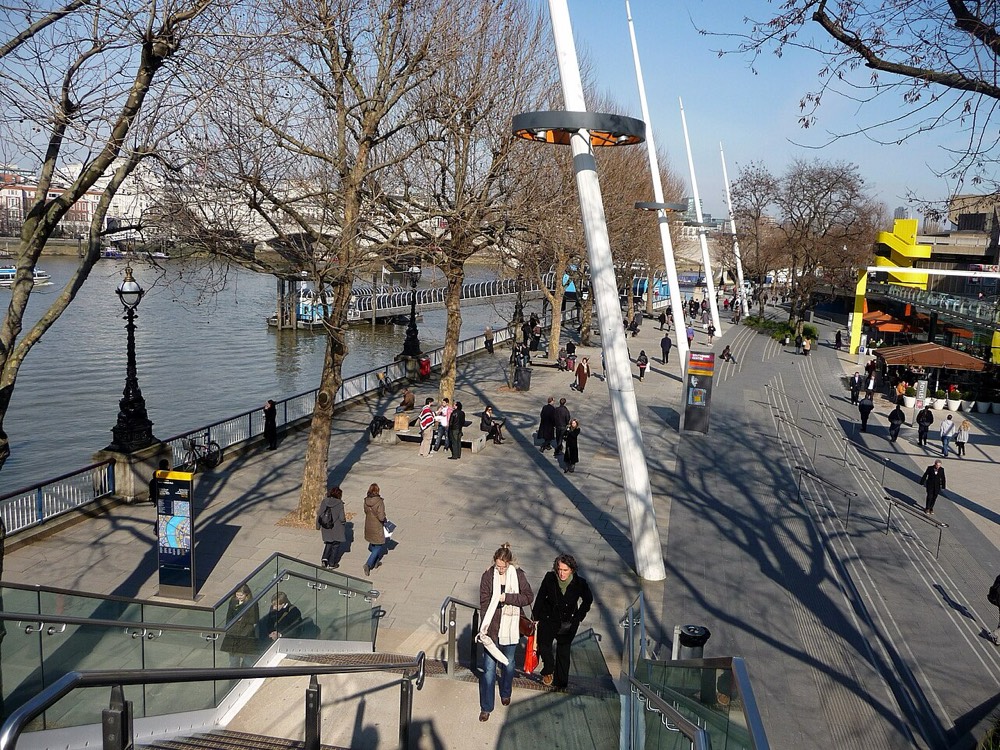
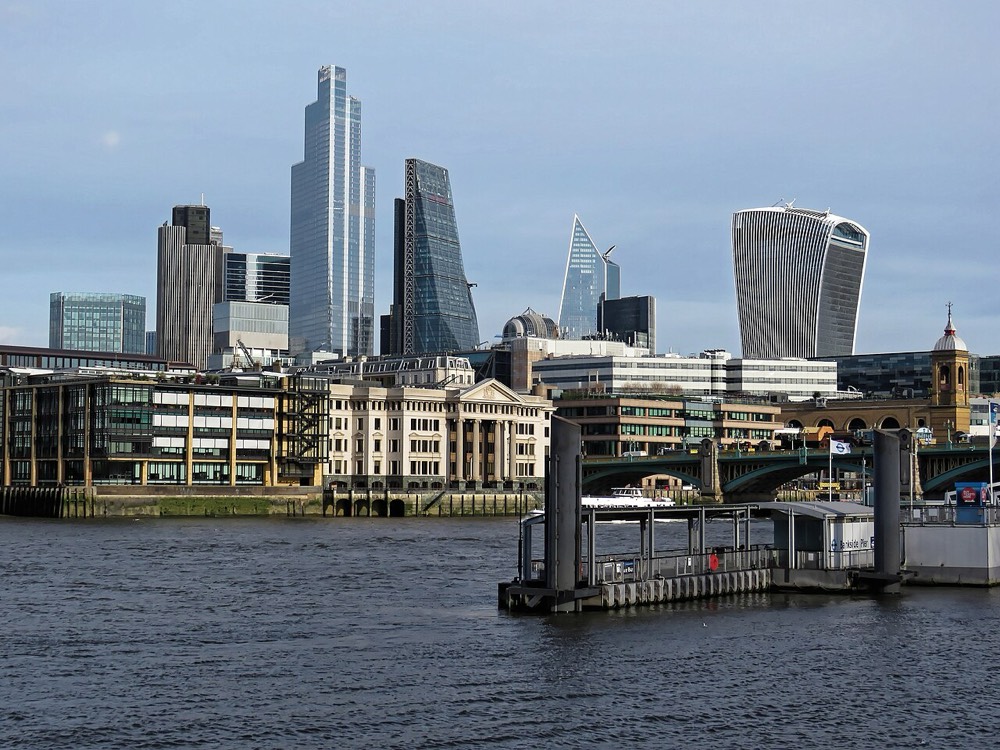 South Bank and BanksideRiverside, arts, great viewsAlong the south side of the Thames, this area has the London Eye, the Southbank Centre, Tate Modern, Shakespeare's Globe, and Borough Market nearby. It has strong transport links. It suits travelers who love food, art, and walking along the river.
 Shoreditch and SpitalfieldsCreative, young, street artEast London's creative quarter has street art, independent shops, markets like Old Spitalfields and Brick Lane, and a busy bar scene. Stays here tend to feel more modern and local. It suits younger travelers and repeat visitors who want something different from the classic center.MaryleboneVillage feel, central, refinedMarylebone has a village-like high street with independent shops and cafes, close to Regent's Park and Oxford Street. It feels calm but is still very central. It suits couples and travelers who want a neighborhood feel with easy access to everything.
March to May
June to August
September to November
December to February
January through March and November, outside the holidays, are usually the least expensive times to visit. Summer and the weeks leading up to Christmas usually cost the most, and school holiday periods also push rates up.
Check tour datesMay, June, and September usually offer long days, green parks, and fewer crowds than July and August. December is popular for festive lights and markets.
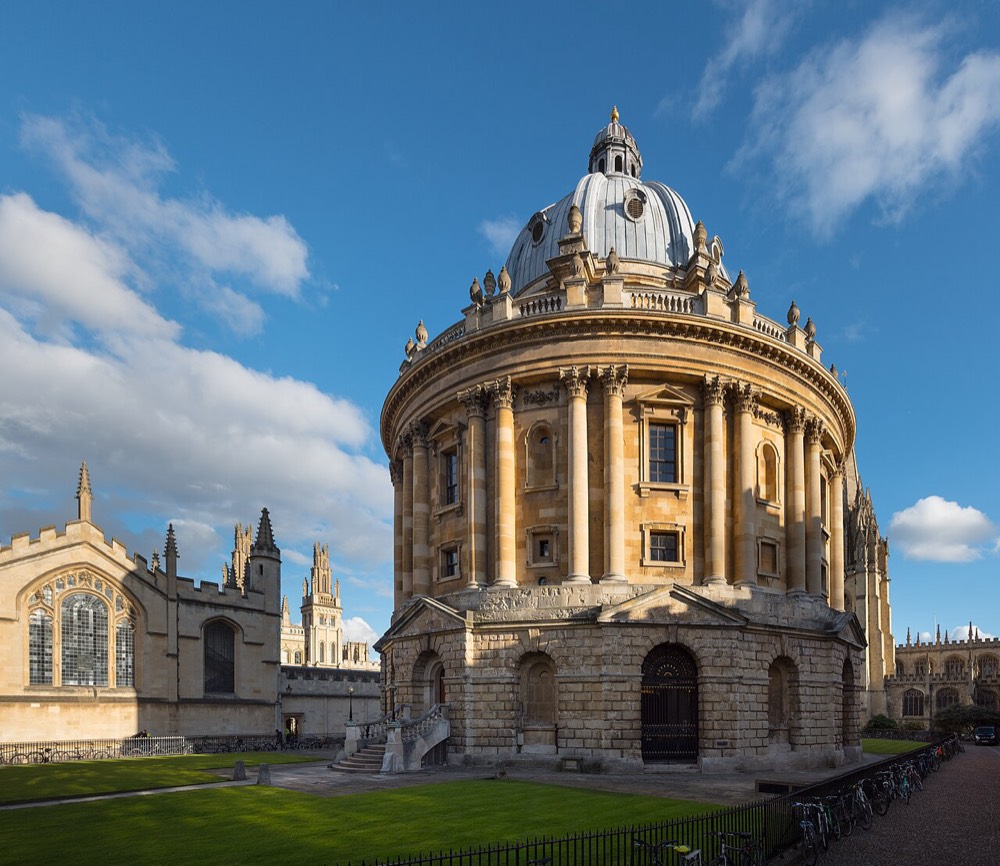
Four to five days covers the major landmarks and a couple of museums. A week lets you add a day trip to Windsor, Oxford, or Bath.
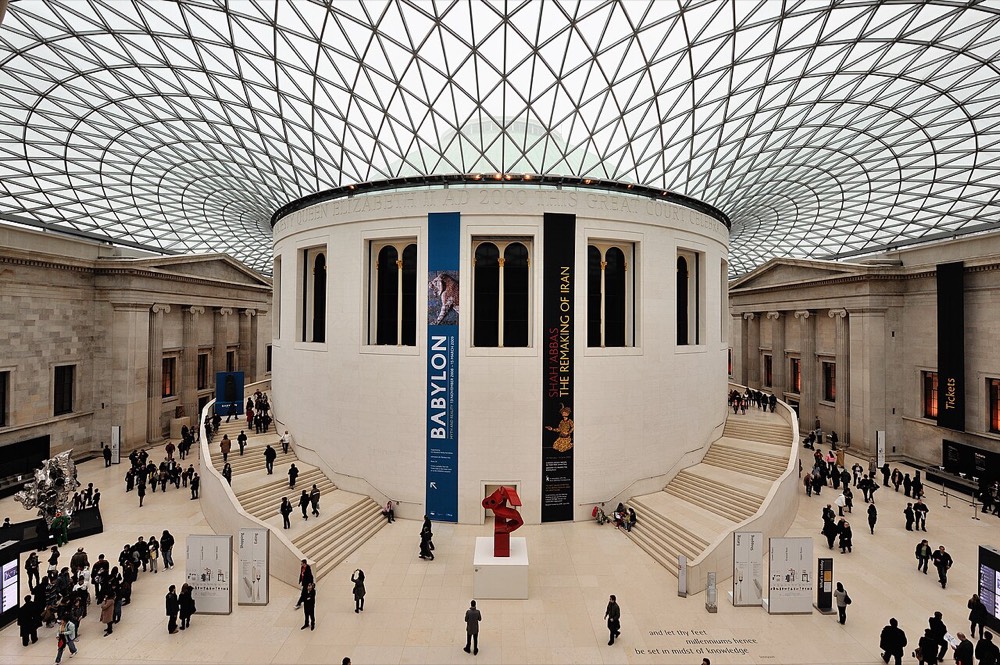
Yes. Many top museums are free, the parks are large and well kept, and kids under eleven can ride the Tube free with a paying adult.
No. Public transport covers the whole city, and driving in central London is slow and expensive.
The British pound sterling. Contactless cards are accepted almost everywhere, including on transit.
London is generally safe for visitors. Watch for pickpockets in crowded areas and on the Tube, and keep phones secure on busy streets.
Make a day of it
Tour or activity
4.6 / 5 · 21,019 reviews · 11 hours
From $106.30View experience →

Tour or activity
4.5 / 5 · 4,192 reviews · 7 hours
From $121.11View experience →

Tour or activity
4.6 / 5 · 5,931 reviews · 11 hours
From $106.30View experience →

Tour or activity
4.2 / 5 · 2,152 reviews · 7 hours
From $133.22View experience →

Tour or activity
4.9 / 5 · 1,183 reviews · 3.5 hours
From $106.30View experience →

Tour or activity
4.4 / 5 · 7,789 reviews · 24 hours
From $51.13View experience →
Prices supplied by Viator. Check dates and final prices before booking. We may earn a commission.