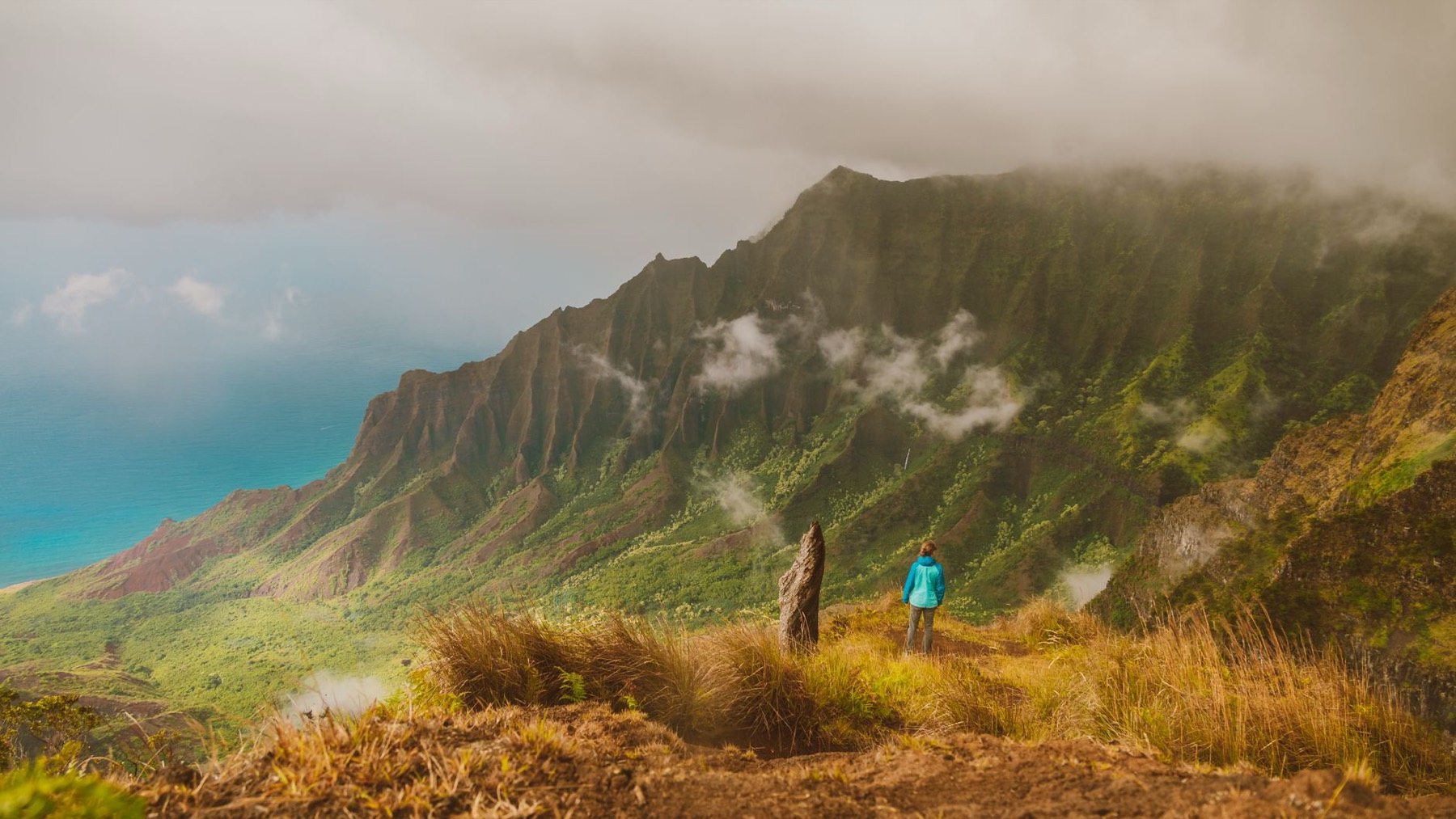

Tour or activity
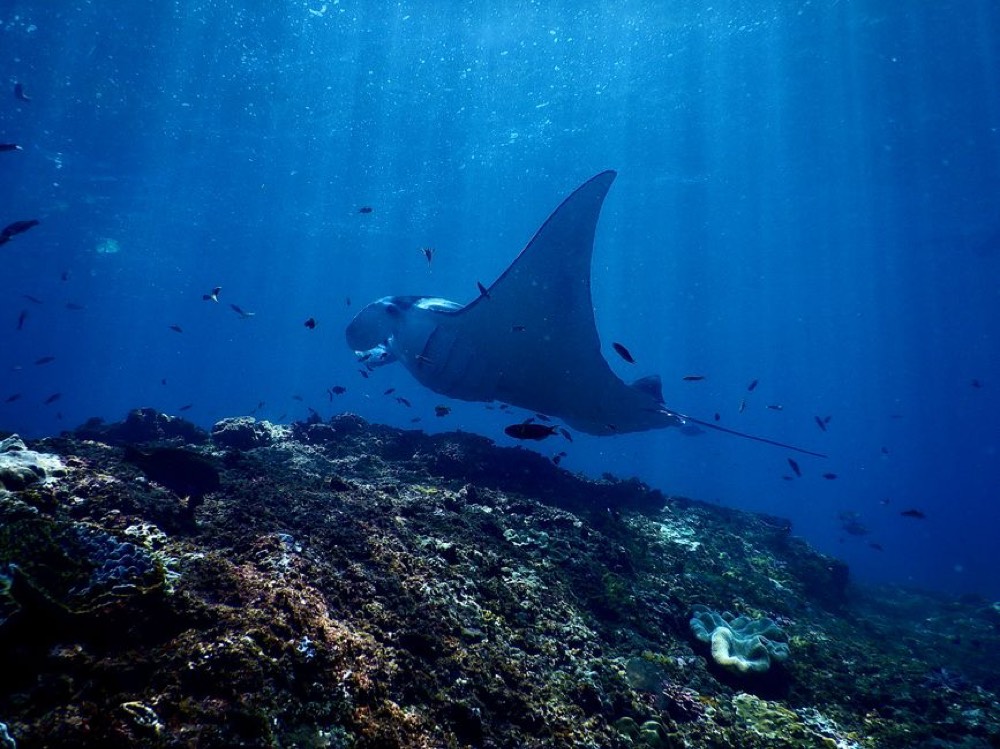
Big Island Manta Ray Night Snorkel
4.8 / 5 · 6,327 reviews · 2.5 hours
From $94.00View experience →
Hawaii · United States
The Kona and Kohala coasts are dry and sunny most of the year, while Hilo is rainy in every season. Summit areas can be cold, so pack layers for the volcano and Mauna Kea.
Nonstop flights from some West Coast cities into Kona, plus connections through Honolulu or the mainland, and service into Hilo as well.
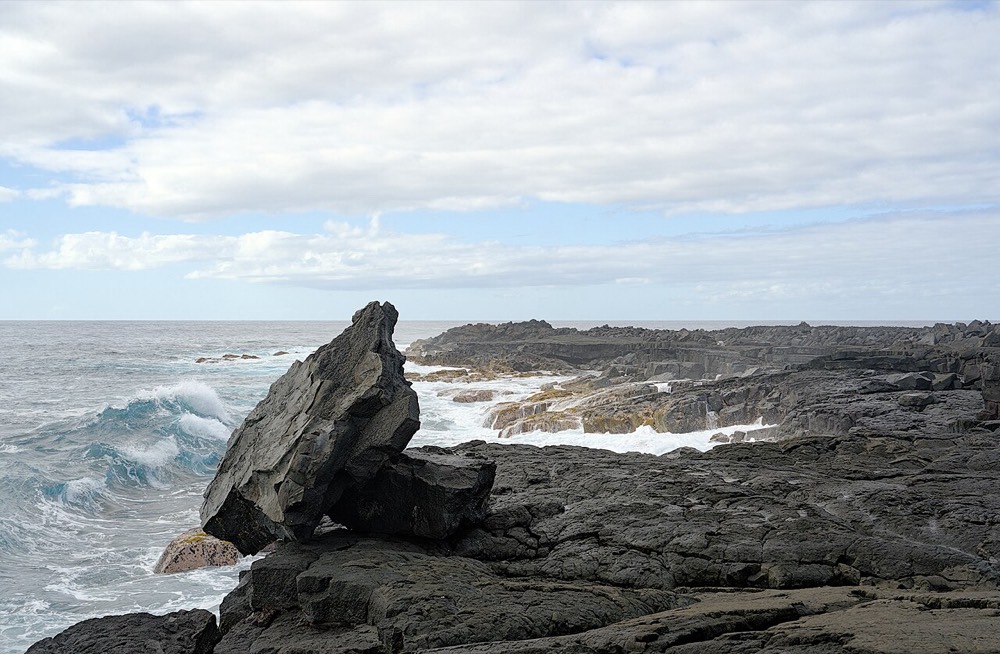
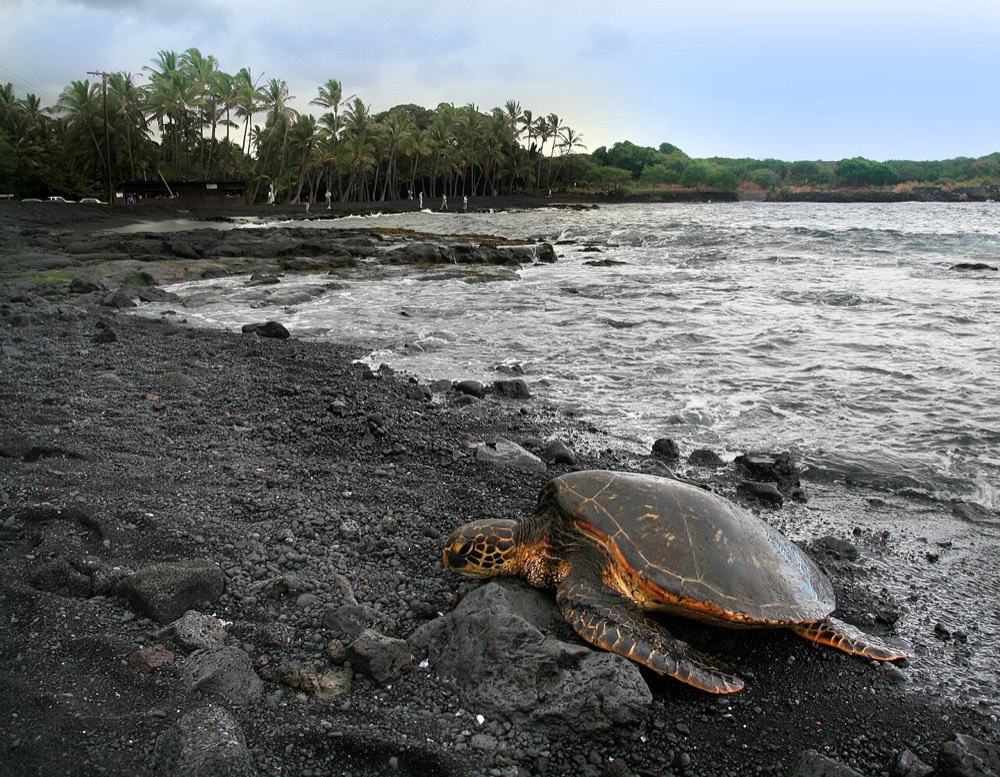
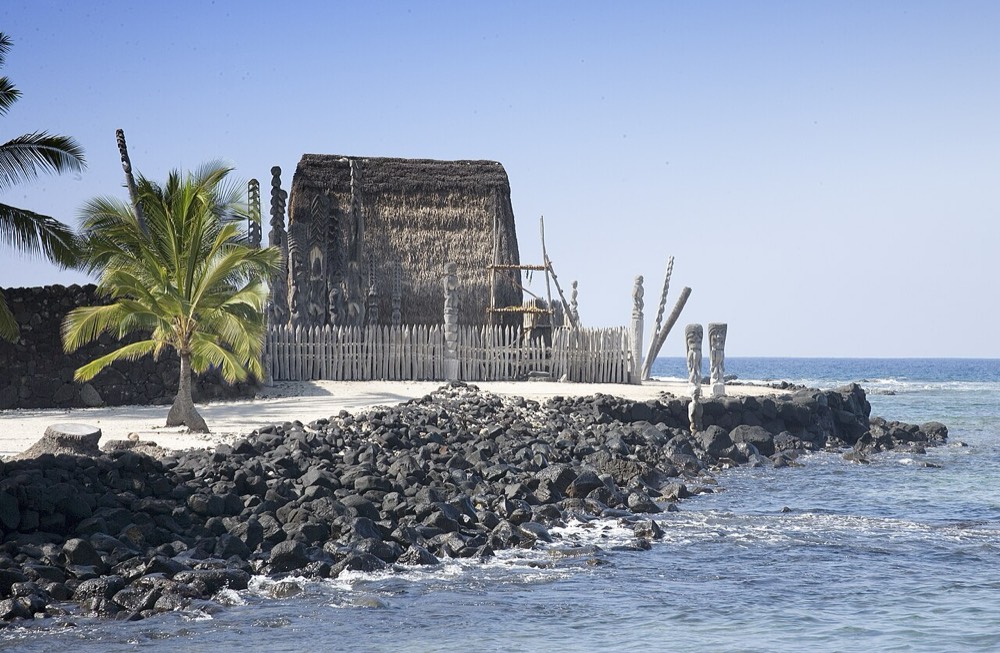
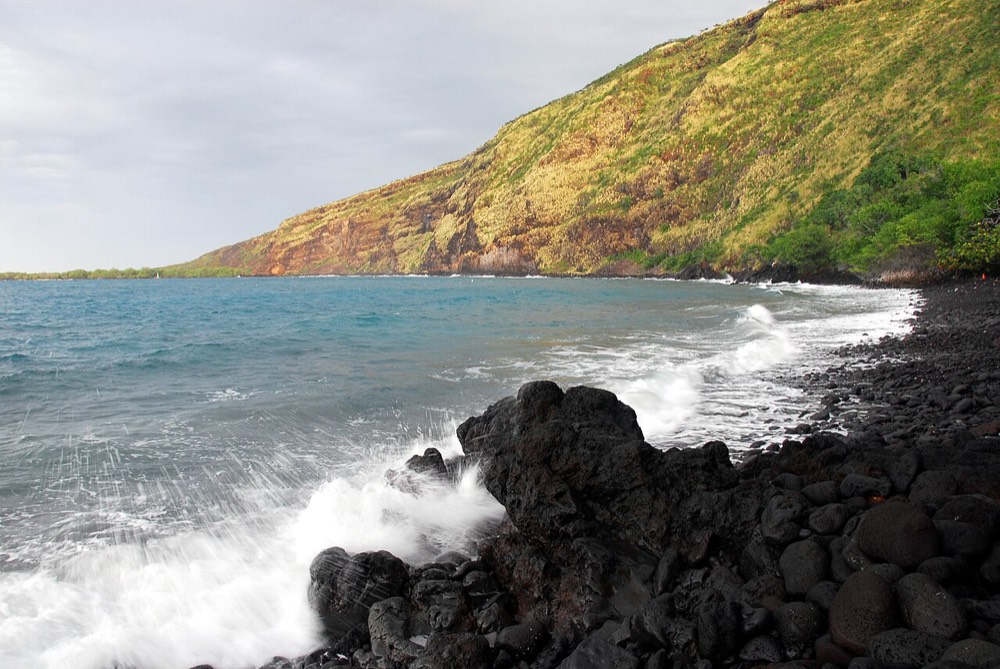
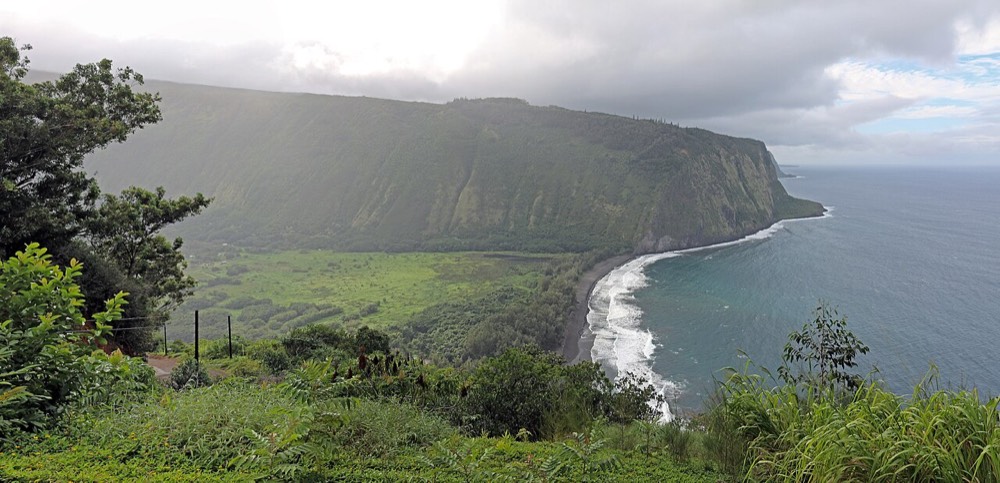
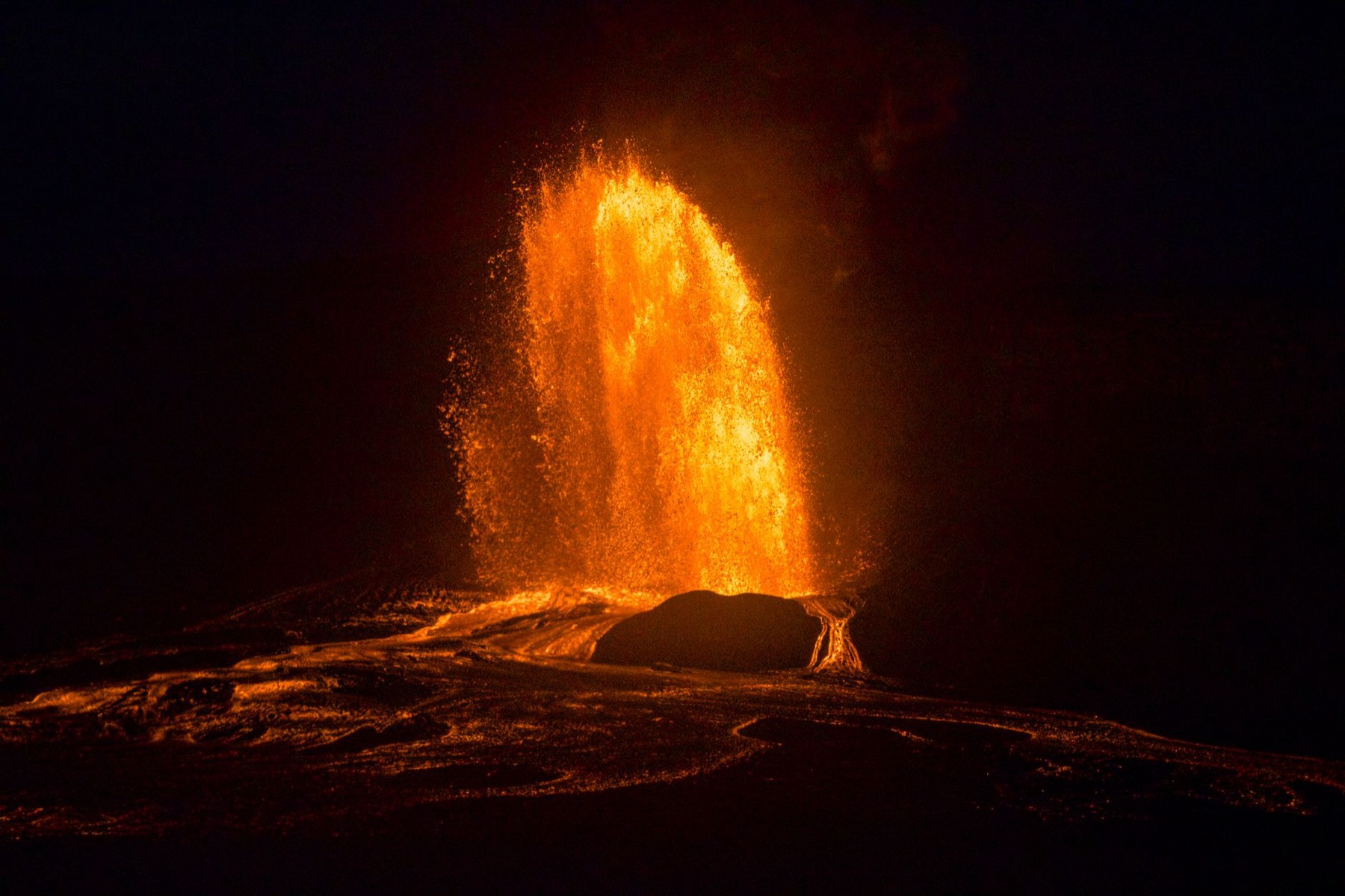
The Big Island, officially Hawaii Island, combines black-sand beaches, coffee country, rainforest, and high volcanic landscapes. Its size makes this a destination for travelers who are comfortable planning drives between distinct regions rather than staying in one compact resort area.
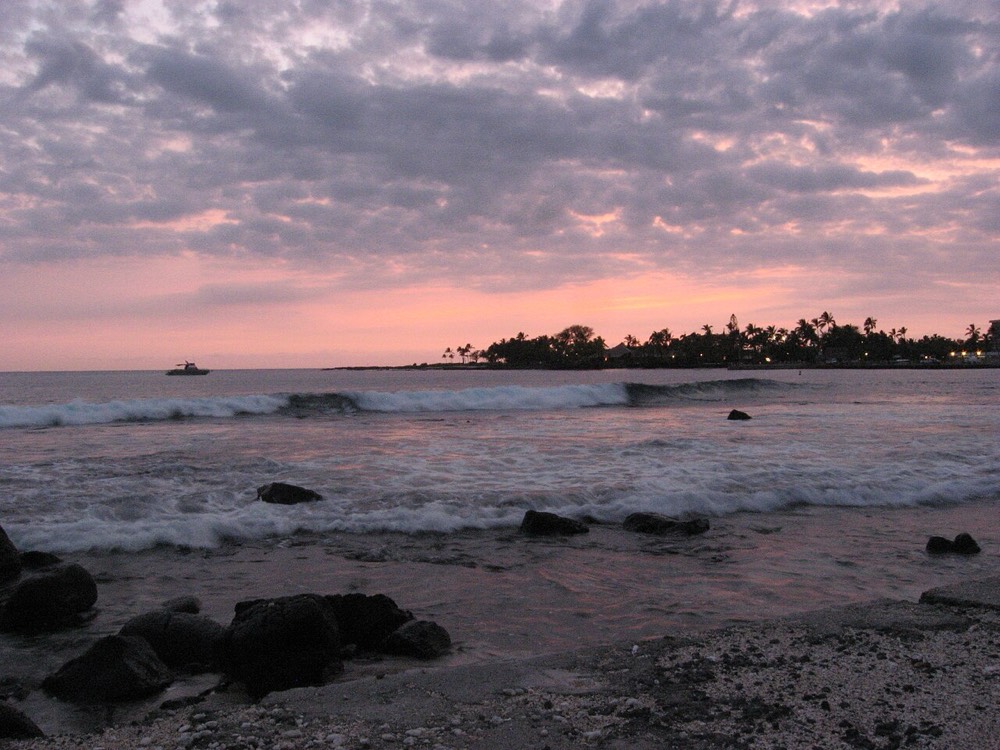 Kailua-Konasunny, walkable, active waterfrontKailua-Kona is the practical west-side base for ocean excursions, coffee-country drives, and evenings by the waterfront. It suits first-time visitors who want services close by and a central starting point, though the town can feel busier than quieter coastal areas.
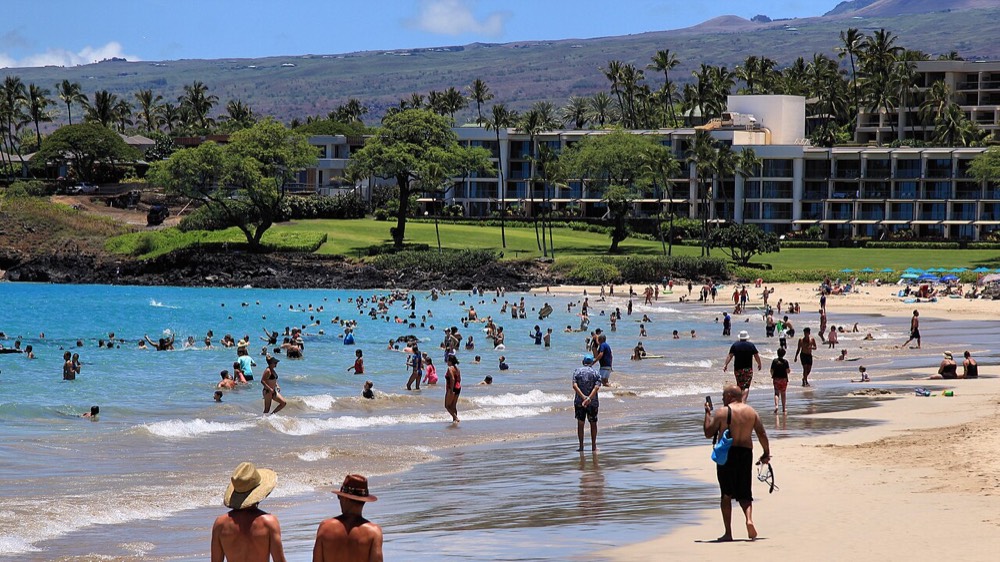
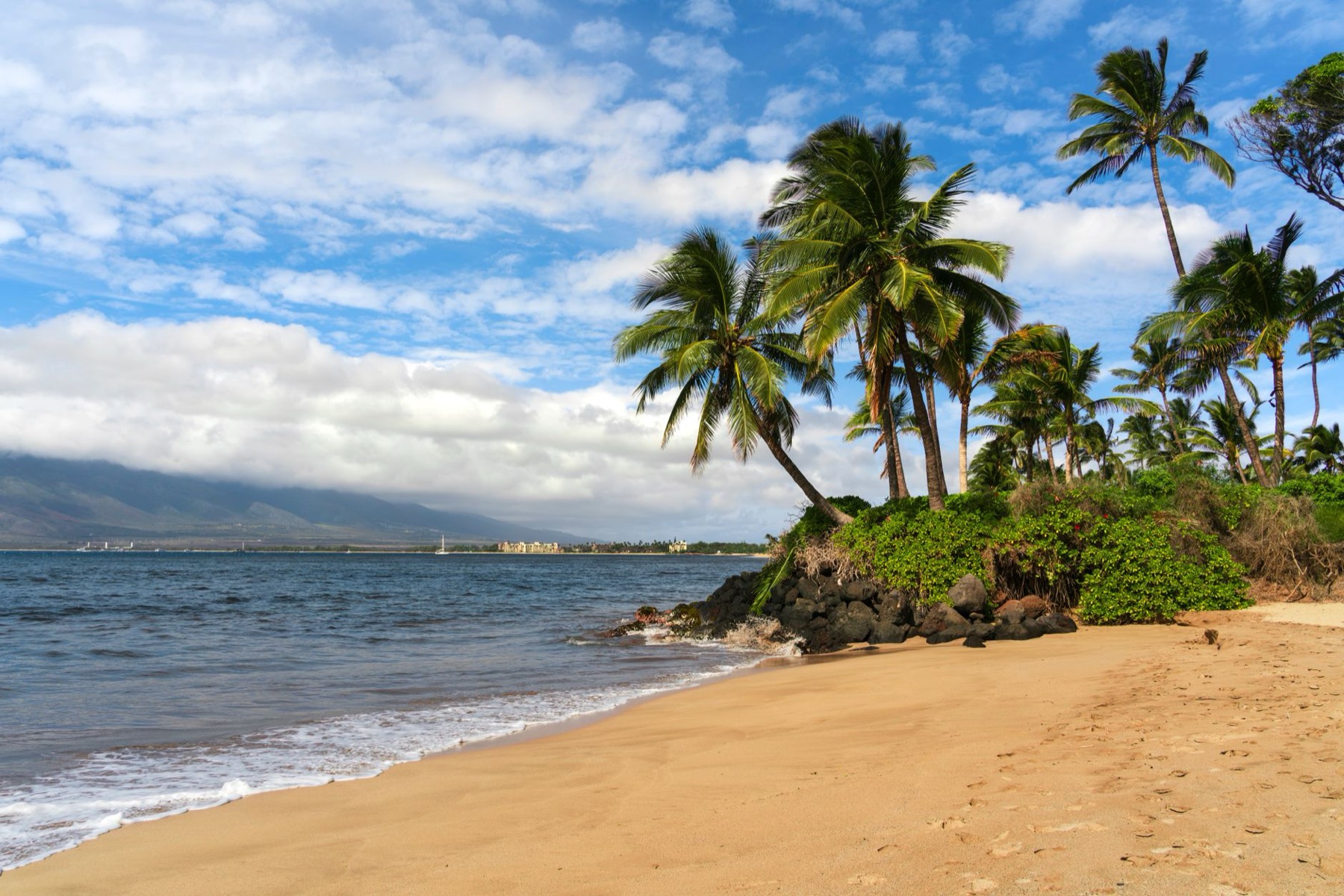
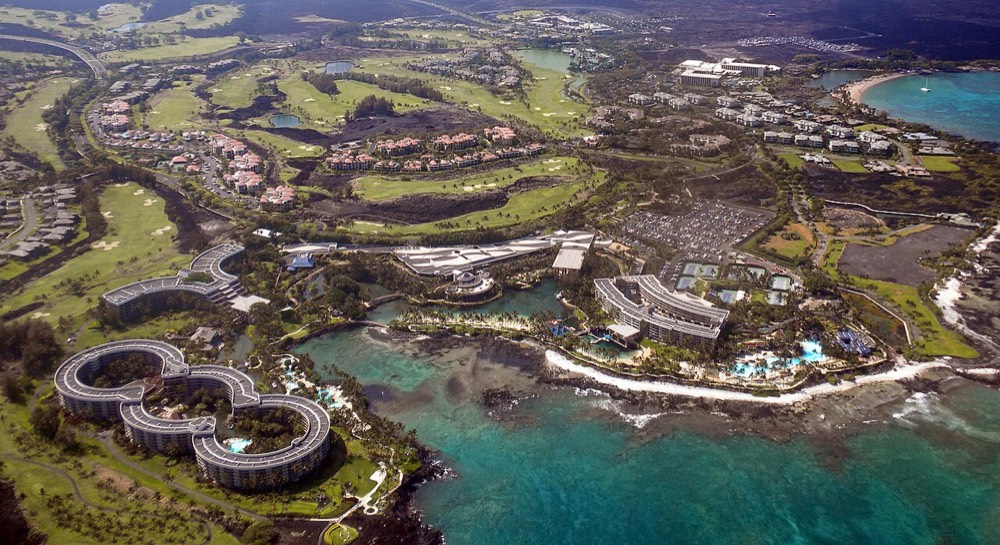 Kohala Coastsunny, spacious, beach focusedThe Kohala Coast is the dry northwest stretch known for lava landscapes, wide beaches, and access to golf and resort facilities. It works well for travelers prioritizing sunshine and relaxed beach time, but major sights on the east and south sides require long drives.
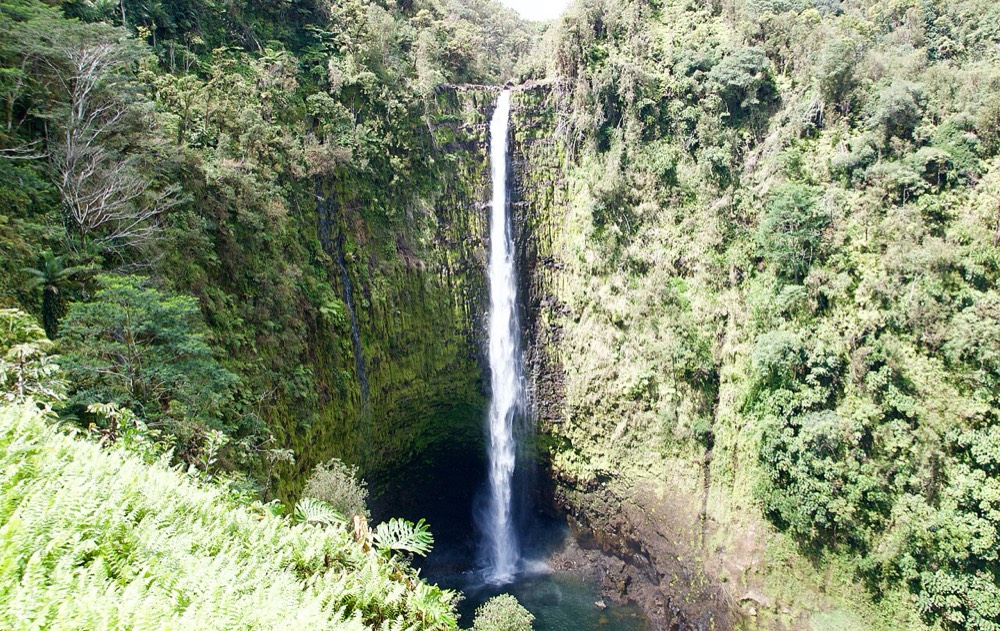
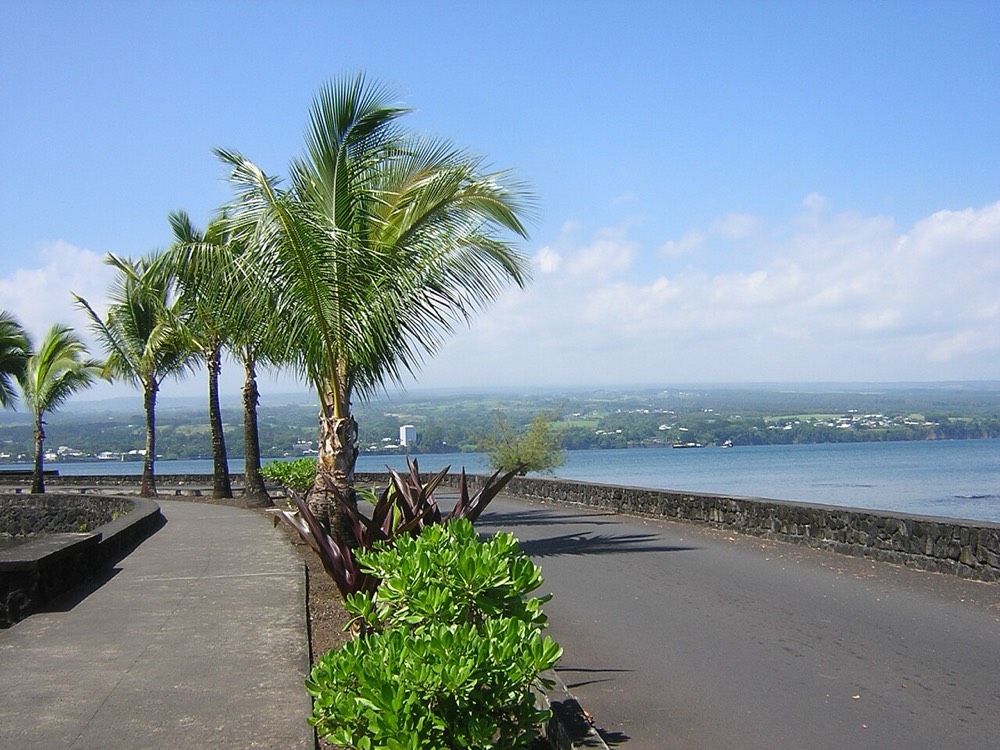 Hilolush, local, rainy, historicHilo is the island's east-side town, close to waterfalls, gardens, markets, and the route toward the volcano. It is a better fit for travelers who enjoy a lived-in town and rainforest scenery than those seeking consistently dry beach weather.
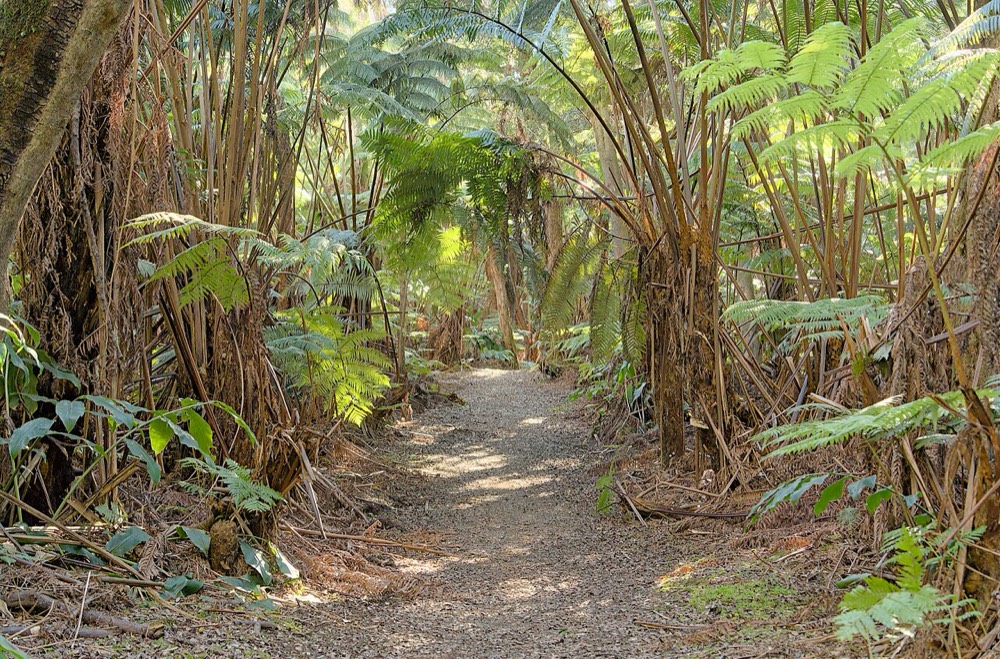
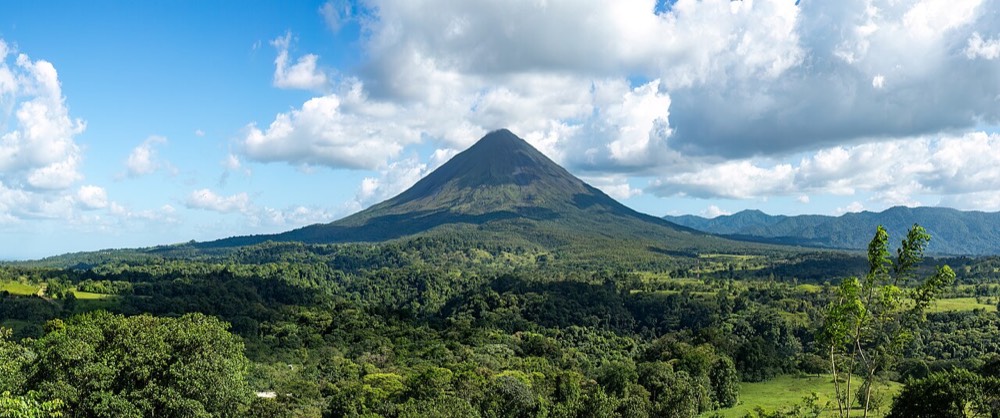 Volcano Villagecool, forested, quiet, ruralVolcano Village sits in a cooler forest near Hawaii Volcanoes National Park and makes early park starts straightforward. Choose it for nature, hiking, and a quieter pace, with the understanding that dining and beach access are more limited than on the Kona side.Waikoloa Villagedry, convenient, residential, openWaikoloa Village is inland from the Kohala Coast and offers a lower-key base with road access to beaches and the northwest coast. It can suit longer stays and travelers with a rental car, but it is not the place to stay for a walkable waterfront.
April through October
December through March
April through May and September through November
Late spring and fall generally offer more moderate demand than holiday weeks and peak summer travel. Winter holidays and popular school-break periods commonly bring the highest rates, while weather differs significantly between the dry west side and wetter east side.
Check tour datesFive days gives you a useful introduction, while seven days allows time for both coasts, the volcano, and slower beach days.
For most visitors, yes. Major sights and visitor areas are too far apart for taxis or public transit to be practical.
Shoulder periods in spring and fall often balance warm weather and lighter crowds, though the best choice depends on the region you plan to explore.
Volcanic activity changes. Check Hawaii Volcanoes National Park conditions close to your trip and never enter closed or restricted areas.
Yes, especially for families who enjoy beaches, easy walks, wildlife viewing, and road trips. Build in downtime because driving days can be long.
No. Surf, currents, rocks, and seasonal conditions vary considerably, so use lifeguarded beaches when possible and obey all warning signs.
Make a day of it
Tour or activity
4.8 / 5 · 6,327 reviews · 2.5 hours
From $94.00View experience →

Tour or activity
4.7 / 5 · 2,067 reviews · 2 hours
From $30.00View experience →

Tour or activity
4.8 / 5 · 1,881 reviews · 5 hours
From $289.00View experience →

Tour or activity
4.9 / 5 · 2,709 reviews · 1.3 hours
From $30.00View experience →

Tour or activity
4.9 / 5 · 7,123 reviews · 11 hours
From $275.67View experience →

Tour or activity
4.0 / 5 · 896 reviews · 2.5 hours
From $190.91View experience →
Prices supplied by Viator. Check dates and final prices before booking. We may earn a commission.