
Tour or activity
La Fortuna Waterfall, Hanging Bridges, Arenal Volcano Combo Tour
4.9 / 5 · 1,878 reviews · 8 hours
From $154.00View experience →
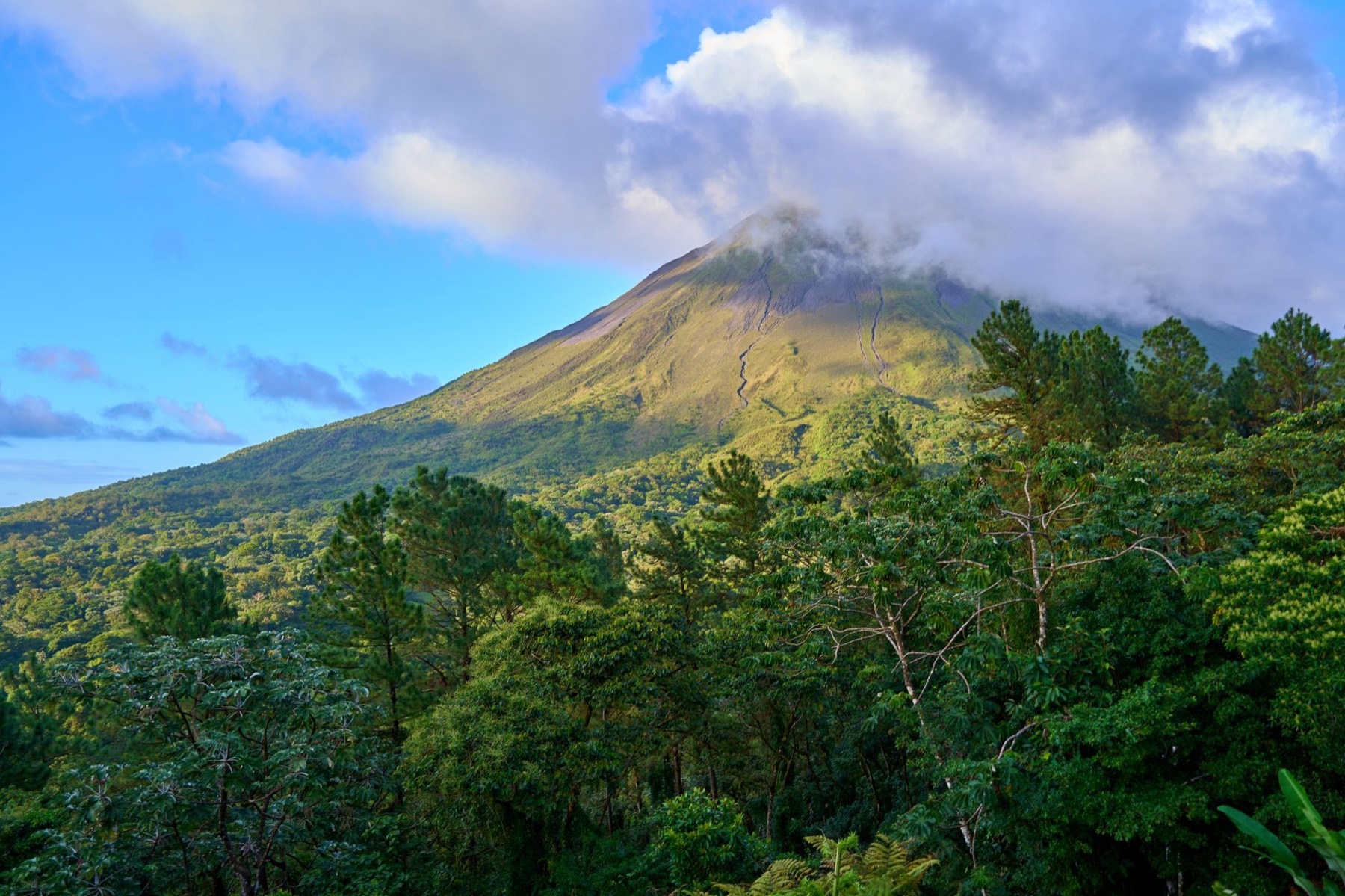
Rainforest mornings, volcano views, two coasts
Central America · Costa Rica
The dry season runs roughly from December through April, with sunny days and easier driving. The green season, from about May through November, brings afternoon showers, fewer visitors, and lush scenery, and the Caribbean side follows its own rain pattern.
Nonstop flights from many US hubs to San Jose and Liberia, with connections from elsewhere.
Costa Rica brings together Pacific beaches, Caribbean coastlines, rainforest, volcanoes, and wildlife in a compact country. It rewards travelers who choose two or three regions rather than trying to cover every national park in one trip.
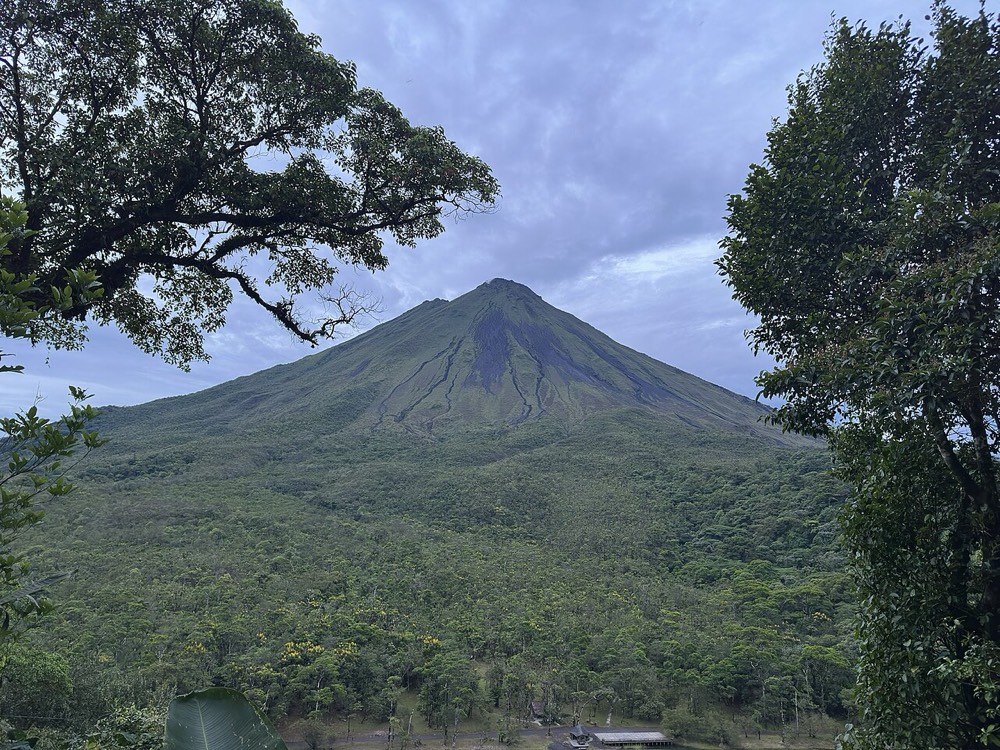
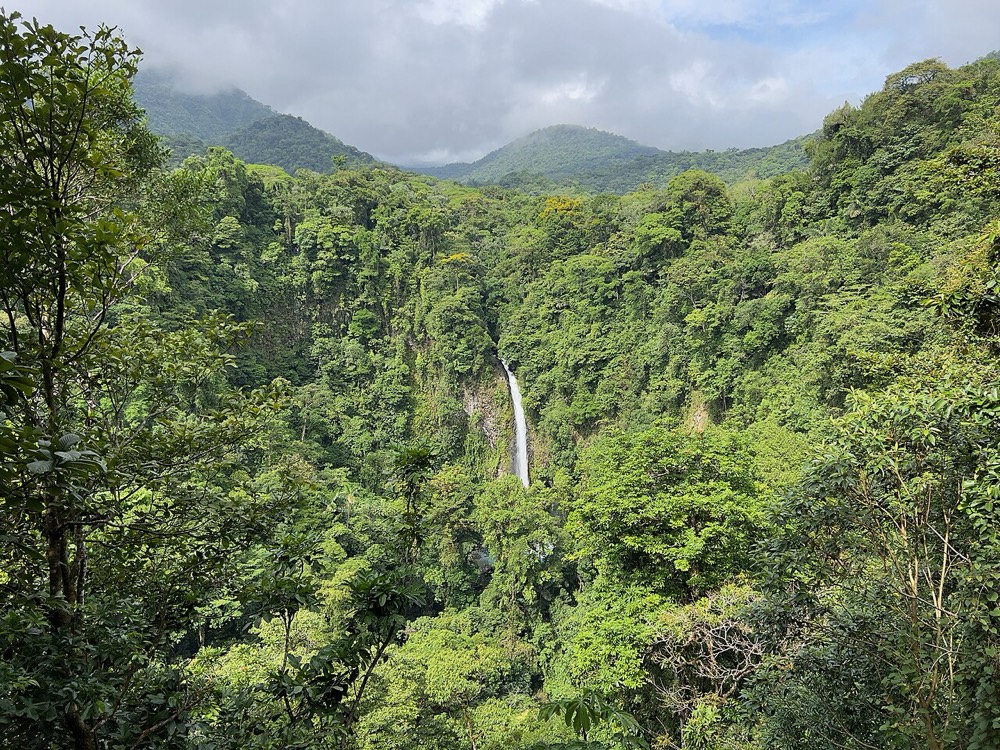
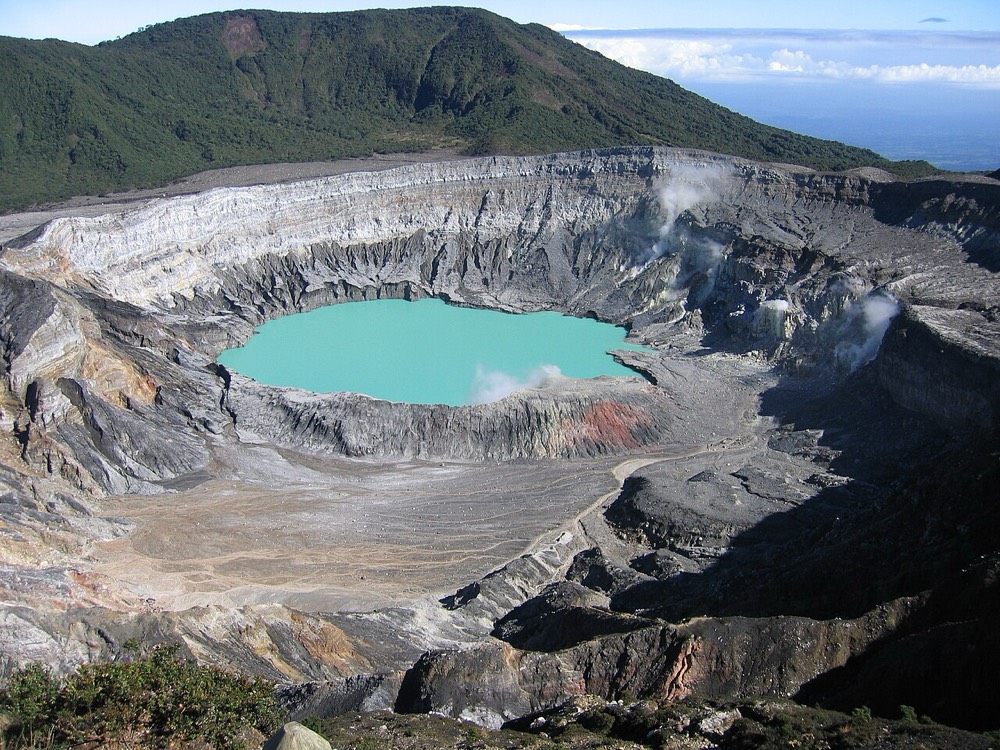
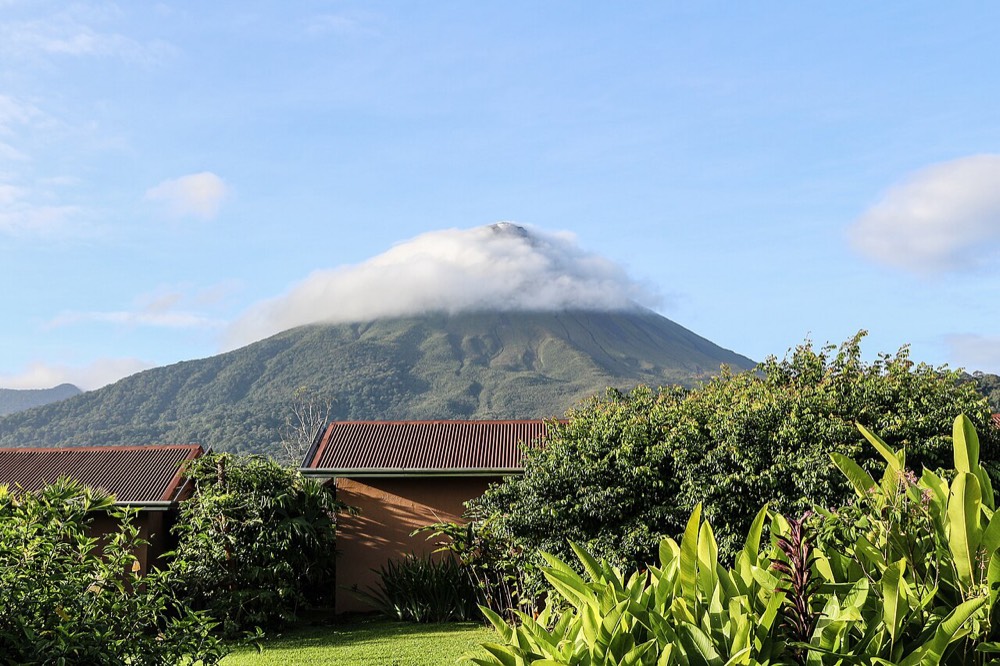 La Fortuna and Arenalvolcano, forest, and adventureLa Fortuna is the main base for Arenal Volcano, waterfalls, hanging bridges, and hot springs. It suits active first-time visitors who want many excursions nearby, though the setting is wetter than Guanacaste and a car or arranged transfers help with wider exploration.
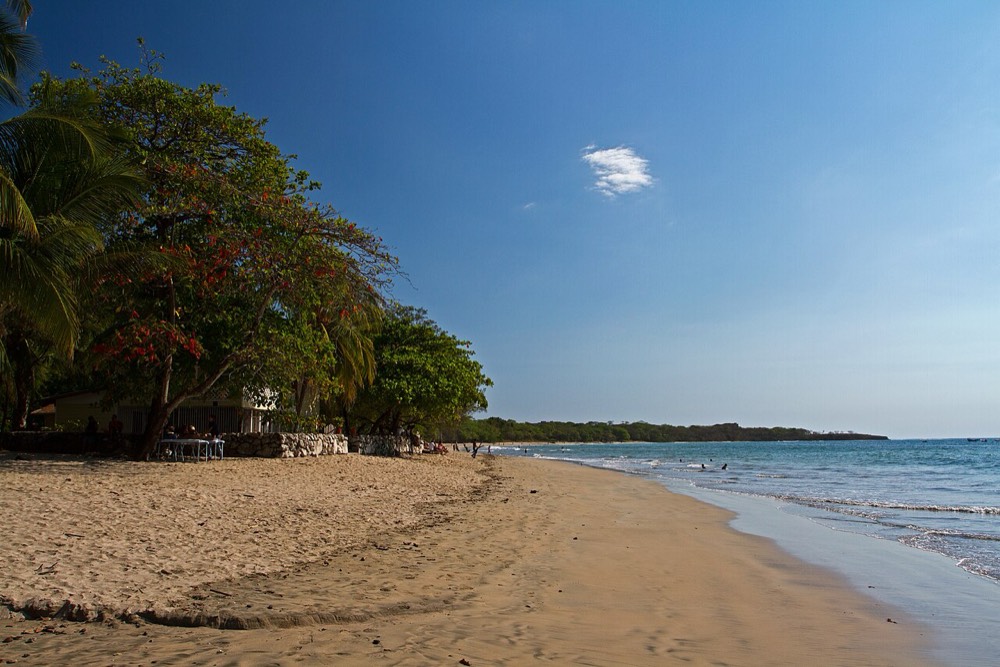
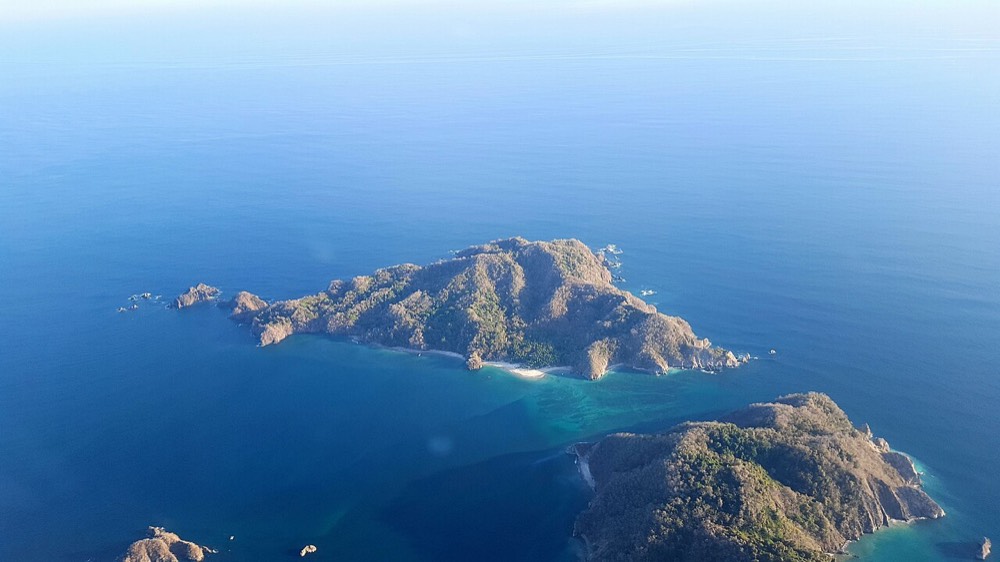
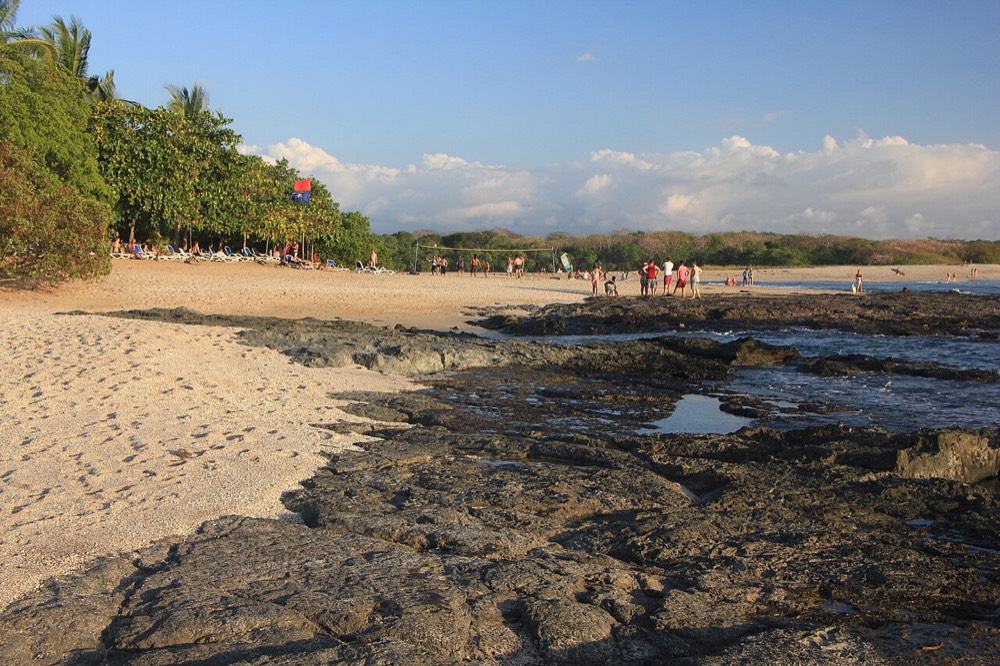 Guanacastedry Pacific beach coastGuanacaste covers a broad northwestern Pacific region with beach towns, surf, and a drier climate for much of the year. It suits travelers focused on sun and beach time, with a rental car useful for reaching different coves and national parks.
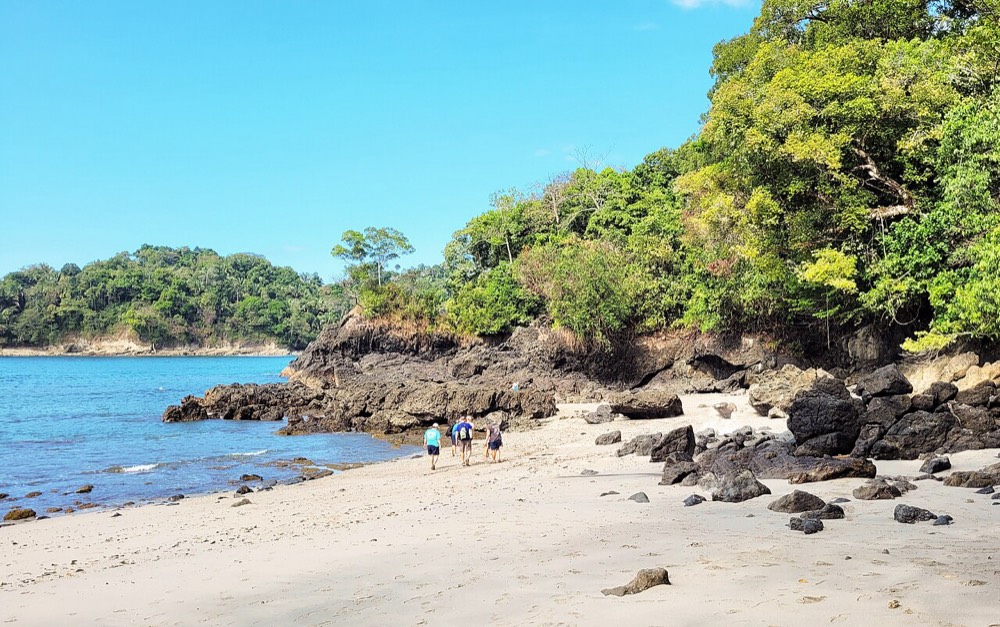
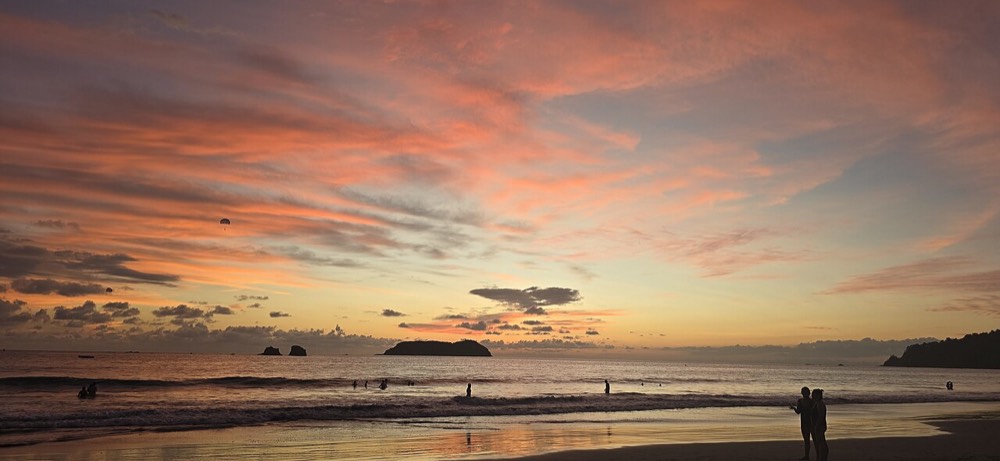 Manuel Antoniowildlife near the beachManuel Antonio pairs a small coastal town with a national park where forest trails meet sandy coves. It works well for couples and families who want wildlife without committing to remote travel, although roads and parking can feel busy in peak periods.
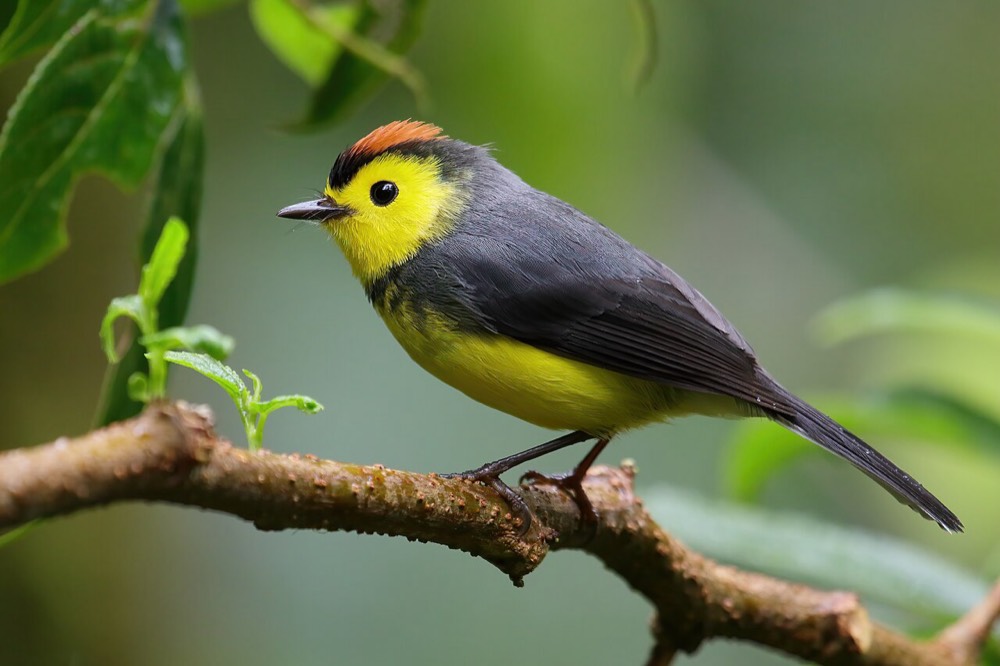
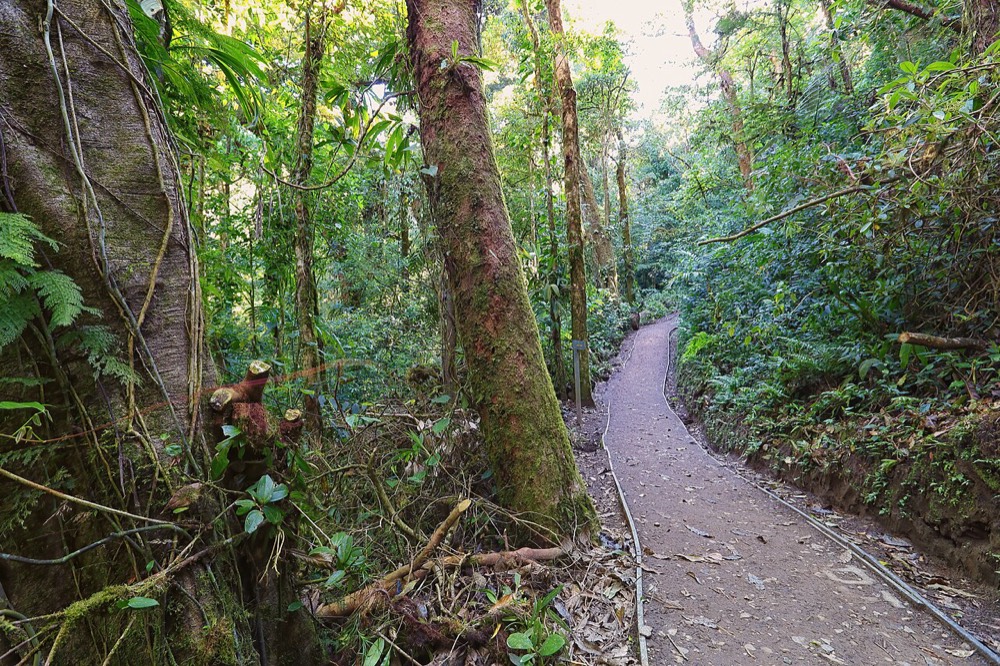
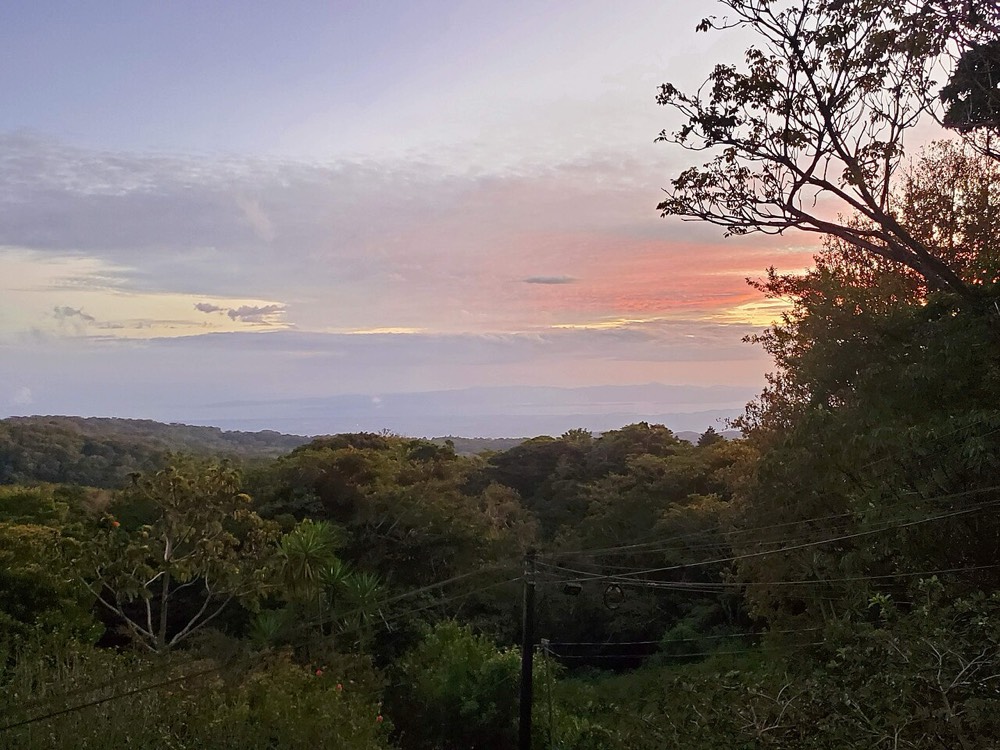 Monteverdecool cloud forest highlandsMonteverde is a cooler mountain region with cloud-forest walks, birdlife, and adventure activities. It is best for nature-focused travelers who accept winding access roads in exchange for a slower, greener setting and a break from coastal heat.
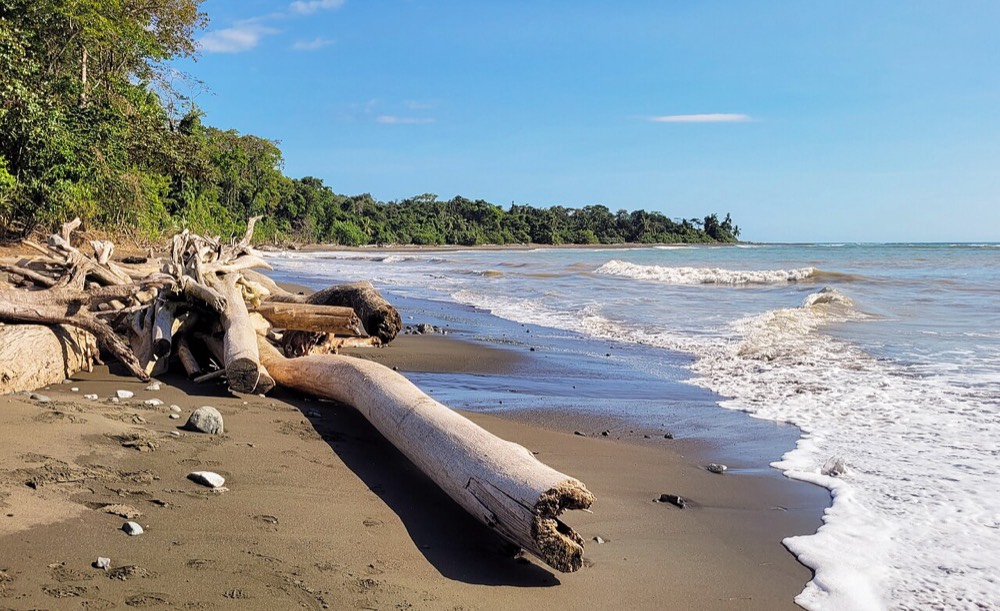
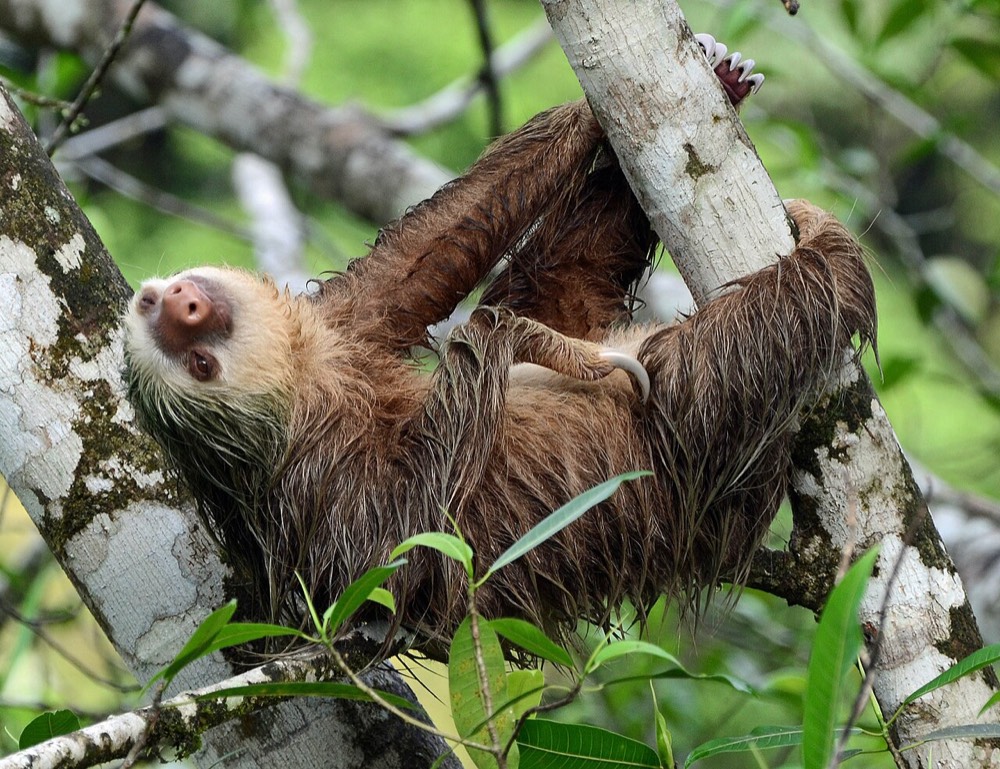 Puerto Viejo and Cahuitalaid-back Caribbean coastPuerto Viejo and Cahuita sit on Costa Rica's Caribbean coast, mixing beaches, rainforest, Afro-Caribbean culture, and a relaxed pace. They suit travelers who want a less polished beach experience, but should allow extra time for longer road transfers from San José.Osa Peninsularemote rainforest and wildlifeThe Osa Peninsula is a remote southern region centered on Corcovado National Park and rich lowland rainforest. It suits committed nature travelers and serious wildlife watchers, but transport, guides, and weather planning matter more here than in Costa Rica's easier-to-reach regions.
December through April
May through August
September through November
The dry season, particularly holiday periods, usually has the strongest demand and higher travel costs. Green season can offer lower demand and lush scenery, but rain and regional weather patterns should guide your choice rather than price alone.
Check tour datesDecember through April is popular for drier Pacific weather. May through August can be a good compromise for green landscapes and fewer crowds, while weather varies substantially by coast and elevation.
A week is enough for two regions, such as Arenal and Manuel Antonio. Ten days or more makes it easier to add a beach coast, Monteverde, or a remote wildlife area without rushing.
Many visitors travel comfortably by using normal precautions. Choose reputable transport, avoid displaying valuables, do not leave belongings in vehicles, and follow local water and trail advice.
A car offers flexibility, but it is not essential if you use drivers and shuttles. It is most useful for Guanacaste and self-guided routes, while remote or mountain driving may not suit every traveler.
Costa Rica uses the Costa Rican colón. US dollars and cards are commonly accepted in visitor areas, but local currency is helpful for smaller purchases.
Yes, with a paced itinerary built around wildlife, beaches, and shorter walks. Consider transfer times, heat, rain, and the age limits of adventure activities when choosing regions.
Make a day of it
Tour or activity
4.9 / 5 · 1,878 reviews · 8 hours
From $154.00View experience →

Tour or activity
4.9 / 5 · 995 reviews · 8 hours
From $160.00View experience →

Tour or activity
4.8 / 5 · 2,602 reviews · 11 hours
From $105.00View experience →

Tour or activity
4.8 / 5 · 957 reviews · 3.5 hours
From $107.18View experience →

Tour or activity
4.6 / 5 · 363 reviews · 3 hours
From $94.50View experience →

Tour or activity
5.0 / 5 · 2,093 reviews · 5 hours
From $80.00View experience →
Prices supplied by Viator. Check dates and final prices before booking. We may earn a commission.